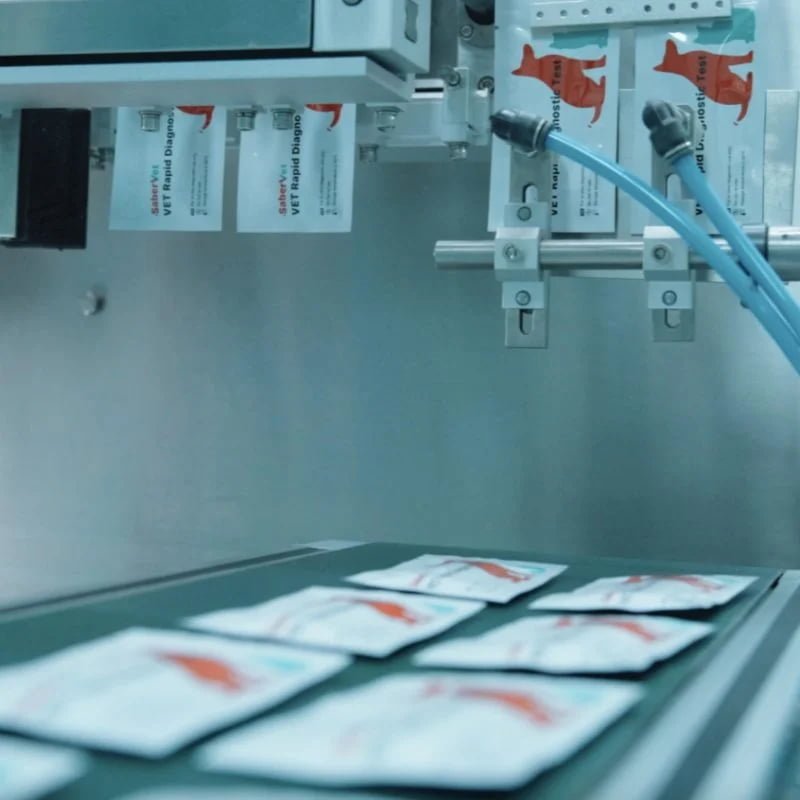
As a specialist in veterinary diagnostics at ITGen, I’ve observed that the biggest hurdle in treating Feline Herpesvirus (FHV-1) isn’t the lack of medicine—it’s the delay in definitive diagnosis and the misuse of supportive therapies like L-lysine. Based on the latest ABCD (European Advisory Board on Cat Diseases) guidelines and clinical habit, successful recovery hinges on a “Diagnostics-First” approach. This article synthesizes high-level clinical drug protocols with the necessity of early detection using tools like the Sabervet feline herpesvirus test kit to ensure practitioners stop guessing and start healing.
High-Impact Clinical Management: Beyond the Basic Sneeze
Managing Feline Herpesvirus-1 (FHV-1) requires a tiered strategy. In the veterinary clinic, we categorize intervention into three pillars: supportive care, targeted anti-infectives, and cautious management of chronic sequelae. The goal is to stabilize the cat’s systemic state while suppressing viral replication.
According to research published in the Journal of Feline Medicine and Surgery, FHV-1 is a lifelong passenger. Treatment doesn’t “cure”; it manages the flare-up. Below is a clinical reference table designed for quick consultation during busy shifts.
| Category | Recommended Drug/Measure | Standard Regimen | Clinical Notes |
|---|---|---|---|
| Appetite Stimulant | Mirtazapine | 1.88–2 mg/cat PO SID | Critical for cats with nasal congestion who cannot smell food. |
| First-line Antibiotic | Doxycycline | 5–10 mg/kg q12–24h | Essential for secondary Chlamydia or Mycoplasma infections. |
| Topical Antiviral | Ganciclovir 0.15% Gel | q8h Ophthalmic | High bioavailability and excellent ocular tolerance. |
| Systemic Antiviral | Famciclovir | 90 mg/kg PO BID/TID | The gold standard for severe or recurrent ocular-respiratory cases. |
Is Your FHV Test Accurate? Why Rapid Antigen Detection is a Game Changer
We’ve all seen the classic “FHV look”—the squinting eyes, the nasal discharge, and the lethargy. But can you differentiate it from Feline Calicivirus (FCV) or Chlamydia felis just by looking? Relying solely on clinical signs often leads to the overuse of antibiotics and missed windows for antiviral intervention. This is where the Sabervet feline herpesvirus test becomes indispensable.
By utilizing the Sabervet Feline Herpesvirus Antigen Rapid Test, veterinarians can confirm viral shedding within minutes. This rapid insight allows for the immediate initiation of Famciclovir or specific topical antivirals like Trifluridine, which are most effective when started at the onset of viral replication. Early use of a feline herpesvirus test kit isn’t just about clinical accuracy; it’s about cost-effective medicine that improves the feline patient’s quality of life instantly.
Famciclovir vs. Eye Drops: Which Systemic Treatment Wins for Your Patient?
The debate between topical and systemic therapy often comes down to one thing: feline compliance. Anyone who has tried to put drops in a fractious cat’s eyes six times a day knows the struggle. The ABCD guidelines highlight that while Trifluridine is a potent topical choice, systemic Famciclovir (90 mg/kg) has revolutionized how we treat deep corneal ulcers and severe respiratory congestion.
However, the fhv test results should guide your intensity. For cats showing high viral loads and significant ocular pain, a “double-barrel” approach—combining topical Ganciclovir with oral Famciclovir—is often necessary. For more diagnostic options, you can explore our full range of feline rapid test solutions. Remember, systemic Acyclovir is generally avoided in cats due to low efficacy and potential toxicity; always stick to the proven safety profile of Famciclovir.
Avoiding the L-Lysine Trap: What Not to Do in the Clinic?
For years, L-lysine was the “go-to” supplement for FHV-1. However, recent evidence-based reviews in BMC Veterinary Research suggest that L-lysine lacks the clinical efficacy once attributed to it. In fact, some studies indicate it might even be counterproductive by interfering with essential arginine levels. It is time for the veterinary community to pivot away from “supportive supplements” toward “proven diagnostics.”
Another major pitfall is the misuse of corticosteroids. While they may reduce inflammation in chronic stromal keratitis, using them during an acute epithelial outbreak (dendritic ulcers) can lead to corneal melting. Always verify the stage of the disease with an fhv test before reaching for the steroid bottle. If you are looking to restock your clinic, check out our comprehensive veterinary diagnostics catalog.
Frequently Asked Questions (FAQ)
Q: How long should I continue the Sabervet fhv test-confirmed treatment?
A: Most cases require 7–10 days of supportive care, but systemic antivirals like Famciclovir should often be continued for 21 days to ensure the virus returns to its latent state.
Q: Is the feline herpesvirus test kit effective for chronic cases?
A: In chronic cases, viral shedding may be low. While the feline herpesvirus test is excellent for acute flare-ups, chronic stromal disease may require PCR or clinical staging if the antigen test is negative despite symptoms.
Conclusion
Managing Feline Herpesvirus is a journey of precision. By combining the latest drug protocols—prioritizing Famciclovir and Ganciclovir—with the rapid diagnostic power of the Sabervet feline herpesvirus test kit, clinicians can significantly reduce recovery times. Stop the trial-and-error approach and move toward a diagnostic-led practice that prioritizes feline comfort and long-term health.
our Veterinary diagnostics online store.
For distributors and large-scale facilities, we offer
Pet healthy supplies bulk sale
options to keep your inventory ready. You can also find
Sabervet livestock diagnostics and pet diagnostics bulk sale
opportunities to ensure your practice never misses a diagnosis.