
Distemper virus can wreak havoc on animals, especially dogs, causing severe illness and even death. Understanding how to kill it is critical for prevention and treatment.
Distemper virus is killed by disinfectants, high heat, ultraviolet light, and alcohol-based solutions. Regular sanitation and vaccination also prevent its spread.
Distemper virus is highly contagious. Knowing how to eliminate it can protect pets and reduce outbreaks. Let’s explore effective methods in detail.

Contents
- How does the distemper virus spread and why is it dangerous?
- What are the most effective disinfectants for killing distemper virus?
- Can natural methods effectively kill distemper virus?
- How can vaccination protect against distemper virus?
- Conclusion
How does the distemper virus spread and why is it dangerous?
Distemper virus spreads through airborne droplets, contaminated surfaces, and direct contact with infected animals. It’s highly contagious among unvaccinated pets.
It attacks the respiratory, gastrointestinal, and nervous systems, causing severe symptoms like fever, coughing, vomiting, and seizures.
Once infected, animals are at risk of complications or death. Early recognition and prevention methods, like cleaning and vaccination, are essential.
What makes it so hard to control?
Distemper virus is robust in certain environments. It survives in cool, moist areas but dies quickly when exposed to sunlight or disinfectants. This resilience makes cleaning crucial in pet care.
| Transmission Method | Examples |
|---|---|
| Airborne Droplets | Sneezing, coughing |
| Contact with Surfaces | Bowls, bedding, cages |
| Direct Contact | Play, grooming |
What are the most effective disinfectants for killing distemper virus?
Disinfectants like bleach solutions and alcohol-based sprays are highly effective against the virus. They break down its protein shell, rendering it inactive.
Use an appropriate disinfectant according to its label and veterinary guidance; follow the specified dilution and safety precautions.
For veterinarians and pet facilities, consistent cleaning is vital. Focus on high-touch surfaces like kennels and feeding areas to prevent viral persistence.

How to properly disinfect areas?
- Prepare the solution: Follow dilution guidelines for safety and effectiveness.
- Clean visible debris: Remove dirt or organic material before applying disinfectants.
- Allow contact time: Let the disinfectant sit for the contact time specified on the product label.
| Disinfectant Type | Effectiveness |
|---|---|
| Bleach | Excellent |
| Alcohol-based disinfectant (use the labeled concentration) | Very Good |
| Quaternary Ammonium Compounds | Good |
Can natural methods effectively kill distemper virus?
Yes, some natural methods can inactivate the virus, but they may not be as reliable as chemical disinfectants. High heat and UV light are effective in killing it.
Distemper virus is susceptible to heat and sunlight, but their effects depend on exposure conditions. These methods can supplement chemical cleaning but should not replace it.
For outdoor areas or surfaces that can’t be chemically treated, sunlight and heat are practical alternatives. However, they require prolonged exposure to work effectively.
Are there limitations to natural methods?
Natural methods work under ideal conditions but may fail in shaded or cold areas. Use them alongside chemical disinfectants for maximum protection.
| Natural Method | Effectiveness | Best Use Cases |
|---|---|---|
| UV Light | Moderate | Outdoor areas, surfaces |
| High Heat | Good | Bedding, tools (via autoclaving) |
| Sunlight | Moderate | Outdoor surfaces, playgrounds |
How can vaccination protect against distemper virus?
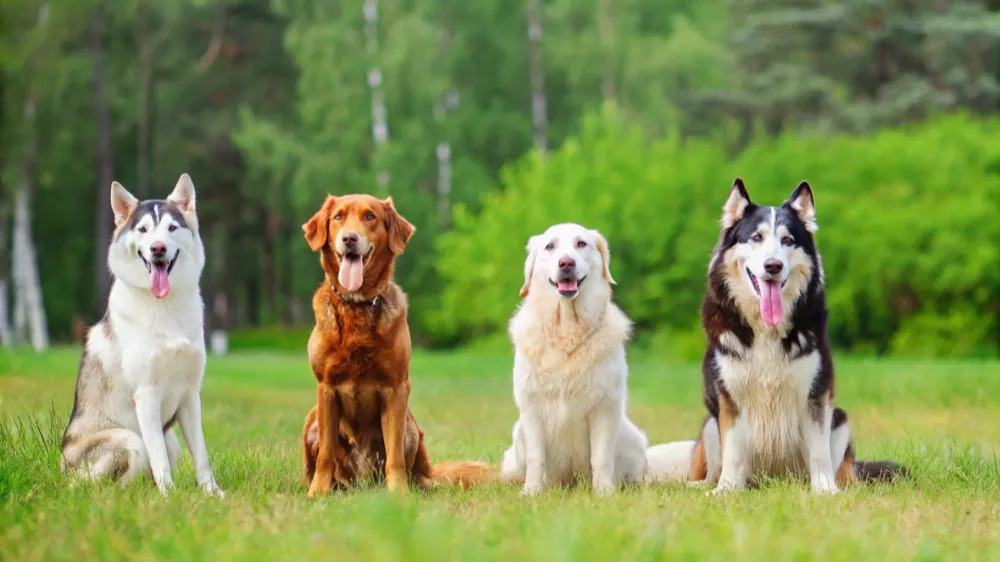
Vaccination is the most effective way to protect animals from distemper. It prevents infection by preparing the immune system to recognize and destroy the virus.
Distemper vaccines are highly effective in preventing the disease, especially when given in a series during puppyhood. Adult boosters maintain long-term protection.
Regular vaccination schedules save lives and help create herd immunity, reducing community outbreaks.
What is the recommended vaccination schedule?
- Puppies: First dose at 6–8 weeks, with boosters every 3–4 weeks until 16 weeks old.
- Adults: Booster shots every 1–3 years based on risk and veterinary advice.
| Age Group | Vaccination Schedule |
|---|---|
| Puppies | 6–8 weeks, boosters until 16 weeks |
| Adults | Every 1–3 years |
Vaccination works best when paired with routine cleaning and hygiene practices. Together, they reduce the risk of outbreaks.
Conclusion
Killing the distemper virus involves using effective disinfectants, leveraging natural methods like sunlight, and vaccinating pets. Combined, these steps ensure better health for animals and prevent the spread of this deadly disease.
Joint care, diagnostics, or consumables — whatever your clinic needs, the answer starts here. Shop SaberVet® rapid test strips here or browse our complete ITGen® animal health product line here. Bulk pricing available. Ask us how.
Is Canine Distemper Virus Lytic or Lysogenic?
Canine distemper virus appears complex, yet knowing its replication cycle helps. CDV doesn’t integrate into host DNA for lysogenic cycles, but actively lyses cells. This lytic activity is responsible for the damage seen in infected animals. For early detection, a cdv test can be crucial.
What role do environmental factors play in raccoon CDV infection?
Environmental factors, such as population density and habitat overlap with other wildlife, contribute significantly to the spread of CDV among raccoons.
Raccoons inhabit a mix of urban and wild environments, venturing through potential areas of exposure. Urban areas, bustling with wildlife interactions, amplify the risk. Dense habitats foster interaction with various animals, raising the likelihood of CDV exposure. These surroundings affect transmission dynamics, increasing the need for adaptive approaches to manage raccoon health effectively. Consideration of environmental factors in raccoon management can lead to strategies for reducing transmission risks, ultimately ensuring healthier populations in these shared spaces.
Which Dogs Are More Susceptible to CDV Infection?
CDV doesn’t affect all dogs equally. Puppies and immunocompromised dogs often bear the brunt due to weaker defenses.
Young and unvaccinated dogs face higher risks. These dogs often lack the immunity needed to ward off attacks. Thus, they require vigilant protection and preventive care to fight off infection.
Is CDV the Same as Rabies?
No — canine distemper virus (CDV) and rabies are completely different diseases, caused by unrelated viruses with different transmission routes, clinical outcomes, and public health implications. Yet in parts of Asia, Africa, and Latin America where rabies remains endemic, any dog showing neurological signs — seizures, disorientation, excessive drooling — triggers immediate fear among owners and veterinary staff alike. The critical question isn’t academic: it determines whether a dog can be treated or must be quarantined, and whether the people around it are at risk. A rapid cdv test is the fastest way to answer that question safely.
Is a CDV test accurate enough to rule out rabies?
A positive CDV test confirms CDV but does not rule out rabies in areas where both diseases circulate. However, a negative CDV test increases clinical suspicion for rabies and should trigger appropriate safety protocols. Always follow local public health guidelines.
What Type of Vaccine Is Typically Used for Canine Distemper?
Live vaccines contain an attenuated (weakened) version of the virus that replicates enough to stimulate the immune system but not enough to cause disease. This method differs from inactivated vaccines, which contain killed viral particles. Therefore, modified live vaccines offer better immune-boosting effects but require precise storage conditions. Understanding these differences helps veterinarians and owners select the best option for their pets, and the SaberVet Canine Distemper Virus Antibody Rapid Test can be used to monitor immune efficacy.
What Precautions Should Be Taken When Using Live CDV Vaccines?
Vaccines rely on proper cold chain storage as specified on the vaccine label to maintain their effectiveness. Aseptic operation ensures product integrity, and vaccination by trained professionals avoids errors. In addition, veterinarians should inform pet owners when booster shots are needed for their dogs, as improper use or missed vaccination schedules will reduce immunity. These precautions prevent vaccine failure while maximizing protection against canine distemper for dogs.
Through which pathways does CDV disseminate inside the body?
CDV initially targets the respiratory tract, then spreads through the bloodstream and lymphatic system. It reaches critical areas like the gastrointestinal tract and nervous system, causing extensive damage.
How does CDV move from one cell to another?
CDV moves between cells through direct fusion and budding methods. Infected cells fuse with adjacent cells, enabling the virus to spread, often unnoticed initially.
How many serotypes does canine distemper virus have?
Understanding serotypes in CDV is crucial as misinformation can lead to overlooked health risks. CDV is generally considered to have only one serotype globally. Despite genetic diversity across different regions, current vaccines provide cross-protection against these variants.
What is the difference between a serotype and a genotype in CDV?
Differentiating serotype from genotype is vital to navigating CDV complexities correctly. Serotypes refer to CDV’s antigenic profile, while genotypes denote its genetic attributes. The single serotype prescribes universal vaccine design despite genotype variations.
How Does Being Enveloped Affect CDV’s Survival in the Environment?
CDV’s enveloped nature influences its susceptibility to external factors. Addressing this helps in choosing effective disinfection. This envelope makes CDV more sensitive to environmental conditions, limiting its survival outside a host. Heat and disinfectants can destabilize it promptly.
What are the basic characteristics of canine distemper virus?
Understanding the characteristics of CDV is critical for combating its spread and effects. Canine Distemper Virus is a negative-sense RNA virus in the Morbillivirus genus. It primarily targets dogs’ respiratory, gastrointestinal, and nervous systems.
How does CDV affect the immune function of dogs?
CDV compromises immune function by targeting lymphocytes, leading to immunosuppression. This makes dogs more vulnerable to secondary infections, exacerbating illness.
CDV’s target on lymphocytes, specifically CD4+ and CD8+ cells, diminishes their population and function, thereby reducing the capability of the immune system to counteract pathogens. The reduction in T and B cell activity allows for opportunistic infections and worsened disease outcomes.