Many people who have pets get worried if their dog seems sick. Fast tests at home can help you know what is wrong. The SaberVet Canine Coronavirus Antigen Rapid Test uses CCV antigen lateral flow assay to look for canine coronavirus. You should follow the steps to get the right results. This test is simple to use at home. If your dog is very sick or does not get better, call your veterinarian for help.
Key Takeaways
- The SaberVet Canine Coronavirus Antigen Rapid Test lets you find canine coronavirus fast at home.
- Watch for signs like diarrhea, tiredness, and less eating to know if you should test.
- Finding canine coronavirus early can help your dog get better faster and stay healthier.
- Read and follow the test steps closely to get the right results and not make mistakes.
- Talk to your vet for help if your dog has symptoms or if you are not sure about the test results.
What is a CCV antigen lateral flow assay?
How does the test work?
A CCV antigen lateral flow assay helps find viruses in dogs. The test uses immunochromatography. Gold nanoparticles stick to antibodies that spot canine coronavirus. You put your dog’s sample on the test strip. The antibodies search for the virus. If the virus is there, gold nanoparticles make a band you can see. This band appears fast. It makes finding the virus quick and simple.
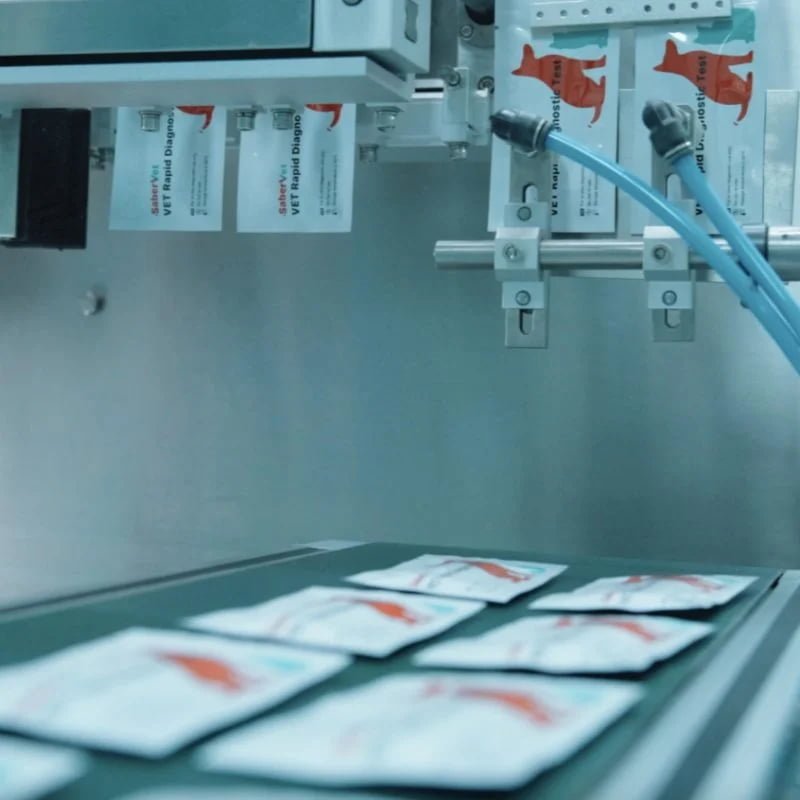
The SaberVet Canine Coronavirus Antigen Rapid Test by Antigenne uses this method. It is a Canine Coronavirus clinical diagnostic kit. You do not need special training or tools to use it. The test shows results in under ten minutes. Many pet owners and vets use this Canine Coronavirus gold immunochromatography method. It works well and is easy to use.
Here is a table comparing how accurate the SaberVet test is with other tests:
| Test Type | Sensitivity | Specificity |
|---|---|---|
| SaberVet Canine Coronavirus Antigen Rapid Test | 99% | 98.8% |
| Other Canine Coronavirus Tests (e.g., PCR, ELISA) | Varies | Varies |
What does it detect in dogs?
The CCV antigen lateral flow assay finds canine coronavirus (CCV) in dogs. It does not find COVID-19 (SARS-CoV-2). CCV causes diarrhea, tiredness, and less hunger. The virus spreads when dogs touch infected poop, dirty food bowls, or other sick dogs.
Here is a table showing how CCV and SARS-CoV-2 are different in dogs:
| Virus Type | Symptoms | Transmission Method |
|---|---|---|
| Canine Coronavirus (CCV) | Diarrhea, tiredness, less appetite | Touching infected poop, dirty food bowls, contact with sick dogs |
| SARS-CoV-2 | Breathing problems | Spreads mostly between people; does not affect dogs the same way. |
Note: The CCV antigen lateral flow assay is made for canine coronavirus. If you worry about COVID-19 in your dog, ask your veterinarian.
When should you use a CCV antigen lateral flow assay for your dog?
What symptoms suggest testing?
Dogs can get sick for many reasons. Some signs show your dog might have canine coronavirus. Look for these symptoms:
| Symptom | Description |
|---|---|
| Diarrhea | Most common sign of infection |
| Lethargy | Low energy and tiredness |
| Decreased appetite | Not wanting to eat food |
| Fever | Higher body temperature |
| Vomiting | Throwing up stomach contents |
Other signs are watery diarrhea, nausea, and a swollen belly. Sometimes dogs cough or sneeze too. Puppies and older dogs may feel these symptoms more. If your dog throws up, has diarrhea, or is very tired, you should use a CCV antigen lateral flow assay to check for infection.
Why is early detection important?
Finding the virus early helps your dog get better faster. Puppies and weak dogs can get sicker from canine coronavirus. If you find the virus soon, you can start care right away. This stops the illness from getting worse. Quick tests also help keep other dogs safe.
Here are reasons why early detection matters:
- Dogs with weak immune systems can get sicker.
- Fast testing means quicker treatment and better results.
- Early action lowers the risk of serious health problems.
If your dog has trouble breathing or you worry about COVID-19, talk to your veterinarian. The CCV antigen lateral flow assay checks for canine coronavirus, not COVID-19. Your vet can give you the best advice and care.
How to use the CCV antigen lateral flow assay?
How to collect a sample?
Collecting a sample is the first step in using the CCV antigen lateral flow assay. You can use a fecal sample or a rectal swab. The SaberVet Canine Coronavirus Antigen Rapid Test works best with fresh samples. Follow these steps to collect a rectal swab:
- Moisten a cotton-tipped swab with sterile water.
- Insert the swab gently through the rectal sphincter. Rotate the swab and withdraw it.
- Check the swab for fecal staining. Repeat the process until you see enough staining.
- Place the swab in an empty sterile tube with a cotton plug or screw-cap if you plan to test within 1–2 hours.
- If you need to keep the swab longer than 2 hours, use a transport medium.
If you collect a fecal sample, use a clean tool to pick up a small amount of fresh stool. Place it in a sterile container. Make sure the sample is not contaminated with dirt or litter.
Tip: Always wash your hands before and after collecting samples. Use gloves to protect yourself and your dog.
How to perform the test?
The SaberVet Canine Coronavirus Antigen Rapid Test is easy to use. You do not need special skills or equipment. The test comes from a Canine Coronavirus POCT test factory that specializes in rapid diagnostics. Here is how to perform the test:
- Open the test kit and read the instructions.
- Add the collected sample to the sample well on the test cassette.
- Use the provided buffer solution to help the sample flow.
- Wait for the test to run. The test strip will show lines as the sample moves.
- Check the results after 10 minutes.
The test is fast. You can see results in under 10 minutes. The table below shows the typical assay time:
| Assay Time | 10 Minutes |
The test cassette is made by a Canine Coronavirus cassette test factory that follows strict quality standards. The SaberVet test is portable and lightweight. You can use it at home or on the go.
Note: Do not read the results before 10 minutes or after 20 minutes. The lines may change if you wait too long.
How to avoid common mistakes?
Mistakes can affect the accuracy of the CCV antigen lateral flow assay. Follow these tips to get reliable results:
- Use a fresh sample. Old or contaminated samples may give false results.
- Do not touch the test strip with your fingers.
- Add the correct amount of sample and buffer. Too much or too little can cause errors.
- Wait the full 10 minutes before reading the results.
- Store the test kit at room temperature. Do not use expired kits.
The SaberVet test shows high accuracy when used correctly. The table below shows the accuracy rates:
| Metric | Value |
|---|---|
| Relative Sensitivity | 97.8% |
| Relative Specificity | 100% |
| Relative Accuracy | 99.2% |
Tip: If you are unsure about any step, read the instructions again or ask your veterinarian for help.
The CCV antigen lateral flow assay gives fast and accurate results. It helps you make quick decisions about your dog’s health.
How to interpret the test results?
Understanding your dog’s test results is important for making the right decisions. The SaberVet Canine Coronavirus Antigen Rapid Test uses a simple test card with two areas: the Control (C) line and the Test (T) line. Here is how to read the card and what each result means.
What does a positive result mean?
A positive result shows that your dog has the canine coronavirus antigen in its sample. You will see two colored lines on the test card:
- One line in the Control (C) area
- One line in the Test (T) area
Both lines must be visible, even if the Test line is faint. A positive result means your dog is likely infected with canine coronavirus. You should keep your dog away from other pets and clean up after them carefully. Contact your veterinarian for advice on treatment and care.
What does a negative result mean?
A negative result means the test did not find the canine coronavirus antigen in your dog’s sample. Only one colored line will appear in the Control (C) area. No line will show in the Test (T) area. Your dog may not have a CCV infection, but if symptoms continue, you should still talk to your veterinarian. Other illnesses can cause similar signs.
What if the result is unclear?
Sometimes, the test result is invalid. This happens when the Control (C) line does not appear. If this occurs:
- The test result cannot be trusted.
- The test could not determine if your dog has the virus.
- You should repeat the test with a new sample and a new test device.
Note: Always follow the instructions in the test kit. If you are unsure about the result or your dog is very sick, seek help from your veterinarian.
The CCV antigen lateral flow assay gives quick answers, but professional advice is important for your dog’s health.
What to do after testing your dog?
What steps to take if positive?
If your dog tests positive for canine coronavirus, keep your dog away from other animals. Clean your dog’s bedding and toys often. Wash food bowls every day. Give your dog fresh water and a quiet place to rest. Most dogs get better in one or two weeks. Some dogs may take longer to recover. Watch your dog for new symptoms or changes in how they act. Use the CCV antigen lateral flow assay again if you need to check progress. Call your veterinarian for advice about care and treatment. Reliable tests from a Canine Coronavirus colloidal gold assay manufacturer help you make smart choices.
Tip: Make your dog comfortable and keep them away from other pets. This helps stop the virus from spreading.
What to do if negative but symptoms persist?
A negative test does not always mean your dog is healthy. If your dog still has diarrhea, vomiting, or feels tired, another illness may be causing it. Give your dog water and small amounts of food. Watch your dog closely for any changes. If your dog gets worse or new symptoms show up, call your veterinarian. Using products from a CCV rapid diagnostic tool manufacturer gives you accurate results, but you still need professional care for ongoing problems.
| Symptom | Action |
|---|---|
| Diarrhea | Give water and watch your dog |
| Vomiting | Give less food, call vet if bad |
| Lethargy | Let your dog rest, ask your vet |
When to contact your vet?
Veterinary care is important for dogs with serious or long-lasting symptoms. You should call your vet if your dog gets new symptoms or feels worse while staying at home. Call your vet if you think your dog is sick from the virus. If you are sick with COVID-19 and your dog gets sick, contact your vet. If your dog does not get better after two weeks, call your vet.
Antigenne cares about animal health. Home tests help you act fast, but veterinarians give expert care for serious cases.
Note: Always listen to your veterinarian for the best results.
Using a CCV antigen lateral flow assay at home lets you check your dog’s health fast. Accurate tests give you clear answers so you can help your dog quickly. The table below lists the main benefits of testing at home:
| Benefit | Description |
|---|---|
| Early Detection | Lets you keep sick dogs away and care for them sooner. |
| Reduced Transmission Risk | Helps stop the virus from spreading to other dogs in your home. |
| Improved Disease Management Efficiency | Makes it easier to find and treat the illness without many vet trips. |
| Faster Recovery | Quick care helps your dog get better faster. |
Seeing a veterinarian after testing helps your dog get better:
- Dogs get the right medical care.
- Treatment plans are made for each dog.
- Vets watch for problems and help with other health needs.
Good tests like the SaberVet test help pet owners feel calm. Taking care of your dog and learning more keeps your pet safe and healthy.
FAQ
How accurate is the SaberVet Canine Coronavirus Antigen Rapid Test?
This test is very accurate. Sensitivity is 99%. Specificity is 98.8%. You get reliable results if you follow the instructions.
| Metric | Value |
|---|---|
| Sensitivity | 99% |
| Specificity | 98.8% |
Can I use the CCV antigen lateral flow assay for other viruses?
No, you cannot use this test for other viruses. The CCV antigen lateral flow assay only finds canine coronavirus. It does not find COVID-19 or any other virus.
Ask your veterinarian if you need tests for other infections.
How long does the test take?
You will see results in less than 10 minutes.
Fast results help you make quick choices for your dog’s health.
Is the test safe to use at home?
Yes, the SaberVet Canine Coronavirus Antigen Rapid Test is safe and simple.
- You do not need special skills
- Follow the instructions
- Wear gloves when you collect samples
Who makes the test?
Antigenne makes this test. The company uses strict quality rules. Products are made in CE, ISO 13485, and GMP certified places.
If you are looking for high-sensitivity test strips, you can find our Sabervet® diagnostic products online store here. For those seeking integrated diagnostic systems or partnership opportunities, please explore our full ITGen® diagnostic products here.