
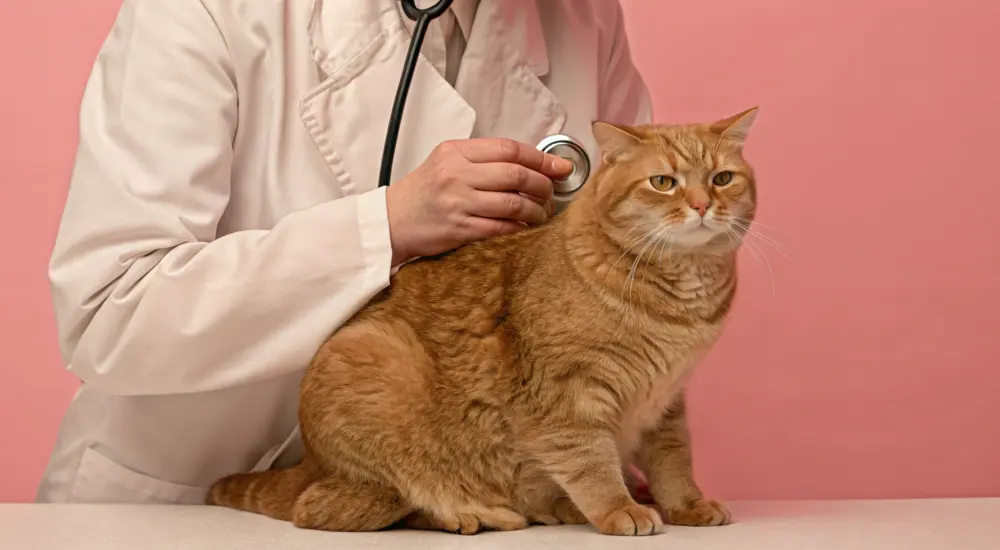
Panleukopenia in cats is primarily eliminated through a combination of targeted disinfectants and the cat’s own immune response, supported by aggressive veterinary treatment. The feline panleukopenia virus (FPV) is notoriously resistant in the environment but can be effectively destroyed by specific disinfectants, particularly suitable disinfectants used according to their label instructions for parvoviruses. Within infected cats, the virus is ultimately cleared through intensive supportive care including intravenous fluids to combat dehydration, antibiotics to prevent secondary bacterial infections, anti-nausea medications, and nutritional support. While there are no antiviral drugs specifically for FPV, timely intervention allows the cat’s immune system to develop antibodies that neutralize the virus. Survival and complete elimination of the virus depend heavily on early detection through reliable testing from a trusted Animal diagnostics manufacturer and aggressive supportive care during the critical phase of illness.
Understanding the Feline Panleukopenia Virus
Feline panleukopenia, often called feline distemper, is caused by a highly contagious parvovirus that attacks rapidly dividing cells, particularly in the intestinal lining, bone marrow, and lymphoid tissues. The virus is extremely resilient, capable of surviving in the environment for prolonged periods and resistant to many common disinfectants. Infection occurs through direct contact with infected cats or contaminated environments, objects, or people. Clinical signs include severe vomiting, bloody diarrhea, lethargy, fever, loss of appetite, and dehydration. The disease is especially fatal in kittens, especially without prompt treatment. This underscores the critical importance of reliable Veterinary diagnostics for early detection and effective management of outbreaks.
Effective Disinfection and Environmental Control
Eliminating panleukopenia virus from the environment requires specific disinfectants that can break down its protective protein coat. Use a disinfectant labeled effective against parvoviruses and follow its specified dilution and contact time. Other effective disinfectants include accelerated hydrogen peroxide and potassium peroxymonosulfate, both following manufacturer instructions for parvovirus efficacy. All surfaces, bedding, food bowls, litter boxes, and medical equipment must be thoroughly cleaned and disinfected. Proper environmental control is crucial in multi-cat facilities, making reliable testing from a reputable Veterinary diagnostics Supplier essential for preventing spread.
Medical Treatment and Supportive Care
While no medication directly kills the panleukopenia virus, comprehensive supportive care enables the cat’s immune system to overcome the infection. Treatment typically includes hospitalization with intravenous fluid therapy to address dehydration and electrolyte imbalances, broad-spectrum antibiotics to prevent secondary infections, anti-emetics to control vomiting, and pain management. Nutritional support through feeding tubes or appetite stimulants may be necessary. In severe cases, plasma transfusions or antiviral serum may be administered. The success of treatment heavily depends on early intervention, making rapid diagnosis through quality Pet diagnostics Provider services critical for positive outcomes.
Prevention Through Vaccination and Testing
Vaccination remains the most effective method for preventing panleukopenia, with modified live virus vaccines providing robust immunity. Kittens should receive an initial vaccination series and boosters on a schedule determined by a veterinarian. Regular testing of new arrivals in multi-cat environments helps identify carriers and prevent outbreaks. Quarantine protocols for new cats, combined with routine testing from a qualified Feline Panleukopenia Rapid Test manufacturer, are essential for maintaining disease-free environments in shelters and catteries.
Reiterating the Answer: Comprehensive Approach Eliminates FPV
To directly address the question once more: panleukopenia in cats is eliminated through a multi-faceted approach involving effective disinfectants (particularly bleach solutions) for environmental decontamination and comprehensive supportive medical care that enables the cat’s immune system to overcome the infection. There is no single medication that directly kills the virus; rather, treatment supports the cat’s natural defenses while managing life-threatening symptoms like dehydration and secondary infections. Prevention through vaccination and early detection using tests from a reliable Feline Panleukopenia Rapid Test Producer remains the most effective strategy against this devastating disease.
ITGen’s SaberVet Feline Panleukopenia Virus Antigen Rapid Test
For veterinary professionals seeking reliable diagnostic tools for panleukopenia detection, SaberVet offers the Feline Panleukopenia Virus Antigen Rapid Test. This innovative product from a leading Feline Panleukopenia Rapid Test Maker is designed for in-clinic use, providing accurate results within minutes to facilitate immediate treatment decisions. The test is particularly valuable for identifying infected cats showing symptoms such as vomiting, diarrhea, and lethargy. The test card requires only a small fecal sample and features a user-friendly design with clear visual results. Proper handling and adherence to manufacturer instructions are essential for optimal accuracy. Results are interpreted at 5–10 minutes by observing the control and test lines (per SaberVet product IFU). Key features include rapid results in approximately 10 minutes, advanced immunochromatographic technology for precise detection, and exceptional performance metrics with 98.00% diagnostic sensitivity and 97.50% specificity (per SaberVet product IFU).
Conclusion
Feline panleukopenia is a severe and often fatal disease, but with proper disinfection protocols, aggressive supportive care, and preventive measures, it can be effectively managed and eliminated. The key to successful outcomes lies in early detection, immediate intervention, and comprehensive environmental control. For veterinary professionals committed to providing the highest standard of care, having access to accurate, rapid diagnostic tests is essential. If you are looking to enhance your clinic’s capabilities with reliable panleukopenia tests from a trusted Feline Panleukopenia Rapid Test Wholesaler, we encourage you to explore the SaberVet product line. Contact us today to request a quotation, inquire about bulk orders, or speak with a representative about your specific diagnostic needs.
Reference Links
- American Veterinary Medical Association – Feline Panleukopenia
- Cornell Feline Health Center – Feline Panleukopenia
- Merck Veterinary Manual – Feline Panleukopenia
Explore Our Related Products
- SaberVet Feline Panleukopenia Virus Antigen Rapid Test
- Feline Panleukopenia Rapid Test manufacturer
- SaberVet Veterinary diagnostics
- ITGen Veterinary diagnostics & pet supplies
Tired of Guessing Faint Lines?
Choose an FPV antigen test kit designed for high-contrast color development. Quality kits use optimized gold nanoparticle technology to produce deep red lines. This makes the FPV result easy to read in any clinic lighting.
Painful Abdomen
Cats with panleukopenia may experience abdominal pain, which can manifest as reluctance to move or be touched in the belly area.
Neurological Symptoms
In very young kittens, FPV can damage the cerebellum and retina, leading to incoordination, tremors, and even blindness.
Fecal Tests of virus panleukopenia
ELISA Test: This is a point-of-care test that can detect FPV antigen in feces. While it is quick and convenient, it may have lower sensitivity compared to PCR tests. Positive results, especially strong positives, are highly reliable, but negative results in clinically affected animals should be followed up with PCR testing.
Quantitative Real-Time PCR (qPCR)
This is considered the gold standard for diagnosing feline panleukopenia virus. qPCR is highly sensitive and specific, and can detect even low levels of viral DNA in feces, anal/rectal swabs, or vomit samples.
Blood Tests of panleukopenia virus cats
Although blood tests are not directly used to diagnose FPV infection, they can provide valuable information about the cat’s overall health and help assess the severity of the disease. For example, low white blood cell counts and anemia are common findings in cats with feline panleukopenia.
Antibody Testing
From blood, serum, or plasma, a Feline Panleukopenia Virus Antibody Rapid Test can determine if a cat has been previously exposed or vaccinated against FPV.