
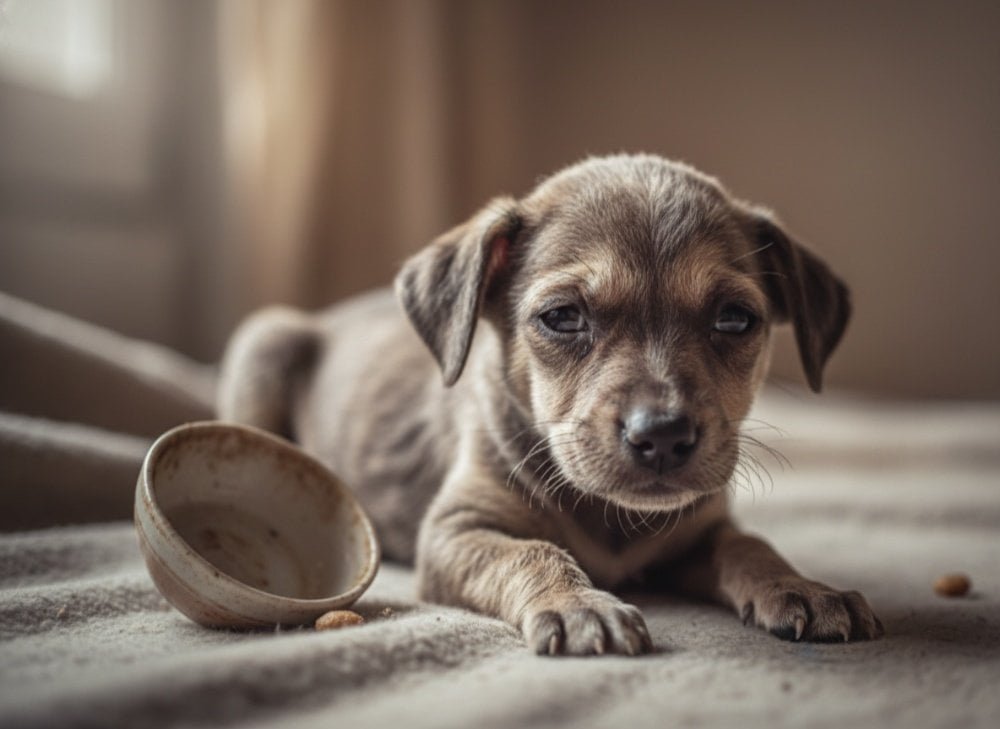
What are the last stages of parvo before it kills your puppy?
Parvovirus can be a pet owner’s nightmare, especially for young puppies. As this highly contagious disease progresses, it becomes increasingly lethal and can rapidly lead to multi-organ failure and death if not addressed immediately. Understanding the final stages of parvovirus is crucial for prevention and early intervention.
During the last stages of parvovirus, a puppy will suffer from incessant vomiting, diarrhea that often turns bloody, and severe dehydration. These symptoms result in a significant drop in energy levels and can lead to coma and sudden organ failure. Immediate veterinary care is essential at this point to increase the chances of survival.
What are the typical symptoms in the final stages of parvovirus?
As parvovirus progresses, its impact on your puppy becomes unmistakably dire. Understanding these symptoms can be crucial in seeking timely medical attention.
The final stages of parvovirus are often characterized by frequent, relentless vomiting and diarrhea, usually accompanied by extreme lethargy and loss of appetite. Heartbreakingly, puppies suffer from severe dehydration, resulting in sunken eyes and dry gums. Recognizing these signs early can make a pivotal difference in your puppy’s prognosis.
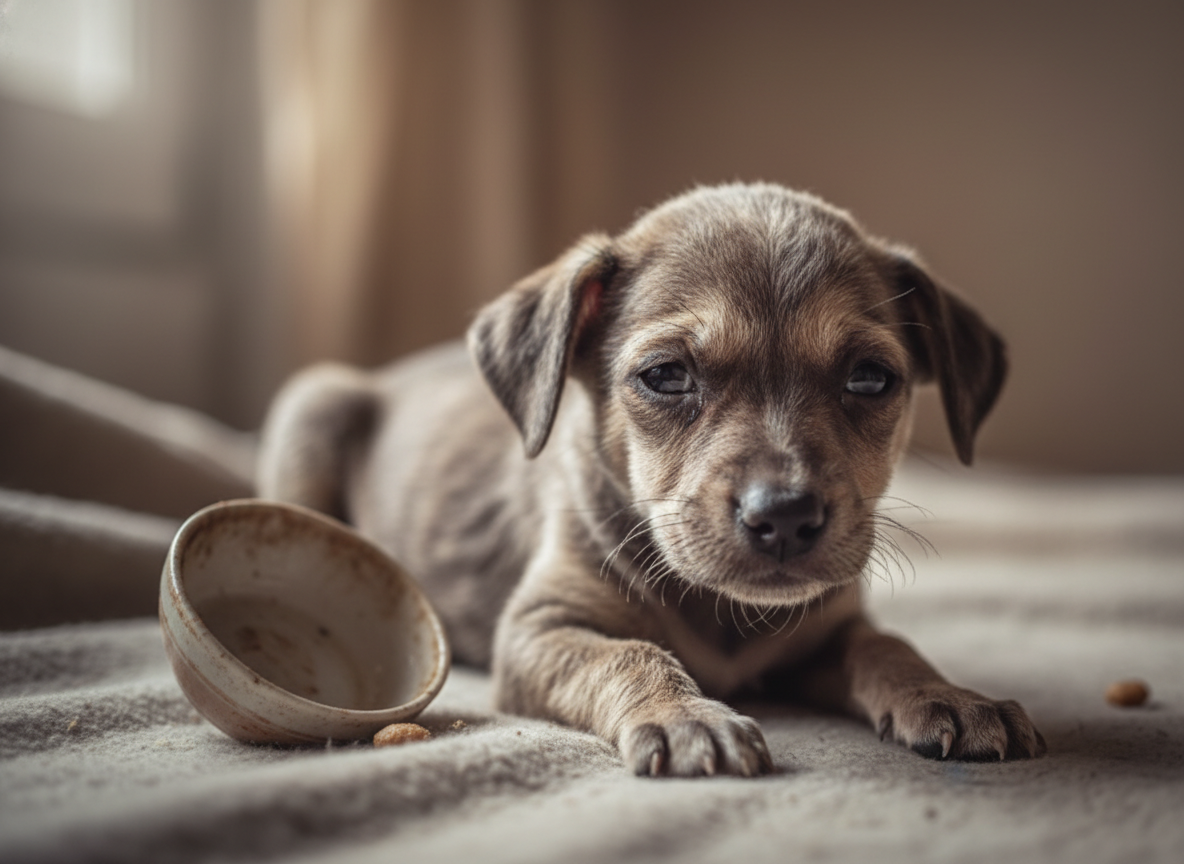
When your puppy reaches these critical symptoms, immediate action is crucial. Time is of the essence, and acting swiftly might just save your puppy’s life.
These symptoms are not just matters of discomfort; they are signals pointing to the crucial need for urgent Veterinary Lab Diagnosis and assistance. The sooner a puppy is seen by a vet and confirmed with parvo testing, the better the odds of recovery, emphasizing the importance of early diagnosis.
Why does parvovirus cause organ failure in its final stage?
Witnessing your puppy fall more ill is torturous for any pet owner. Understanding why parvovirus leads to organ failure can be essential for timely intervention.
Parvovirus impacts a puppy’s gastrointestinal tract and immune system, eventually causing systemic damage leading to organ failure. The virus attacks cells lining the intestines and affects bone marrow, resulting in a compromised immune system. In this vulnerable state, bacterial infections take hold, and the puppy can suffer multi-organ collapse.
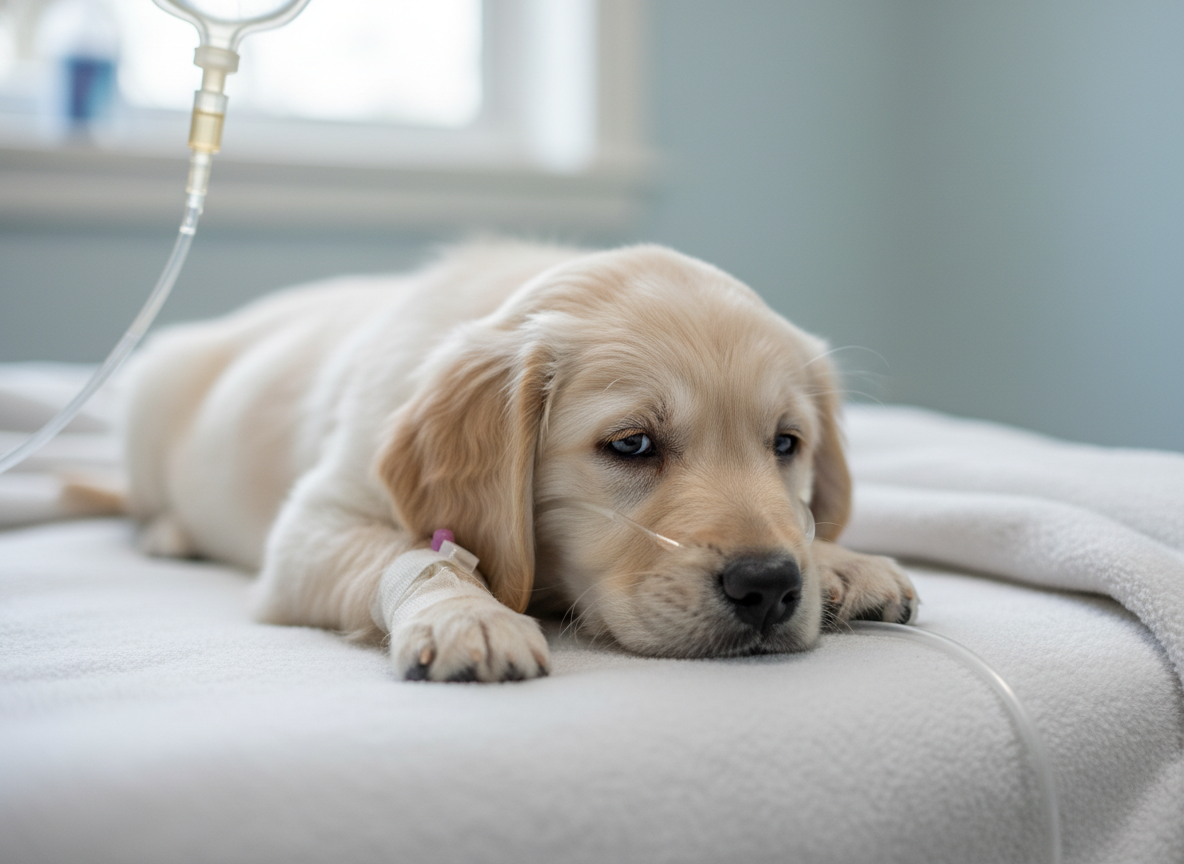
Once an organ starts failing, others are likely to follow. Catching these signs early matters, as rapid intervention might still prevent further systemic damage. Act immediately when weaknesses, jaundice, or abnormal heart rates appear.
Understanding these mechanisms highlights why timely intervention is critical. When the infection is too advanced, restoring normal organ function can become incredibly challenging, reinforcing vaccination’s importance to prevent such outcomes.
How can owners identify if a puppy has entered the critical stage?
Spotting the critical moment when your puppy shifts to the final stages can be lifesaving. Stay vigilant to these indicators for immediate response.
When a puppy enters the critical stage of parvovirus, common indicators include drastic changes in demeanor such as lethargy and withdrawal, significant changes in gum color—often pale or gray—and a notable drop in body temperature. Observing these symptoms warrants an emergency trip to the veterinarian without delay.
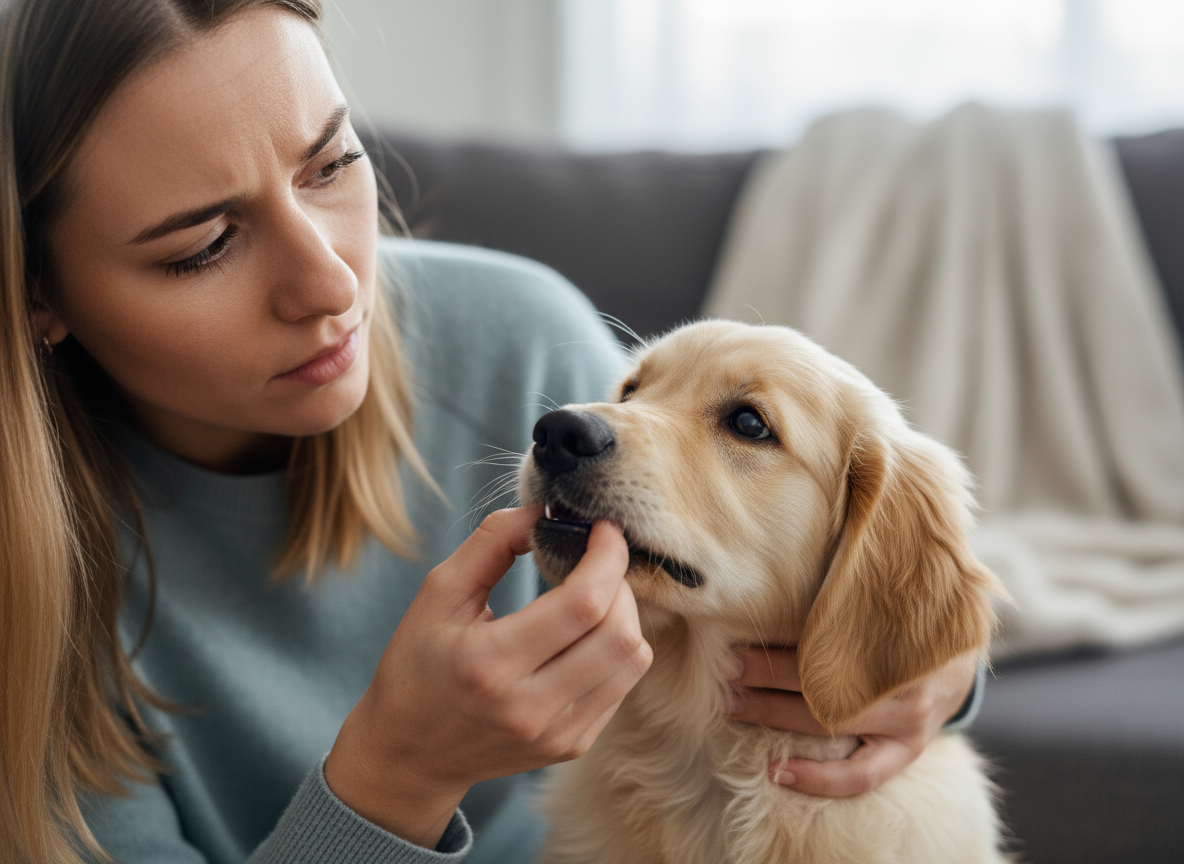
Identifying these signs requires a keen eye and an understanding of normal puppy physiology. Always monitor their energy and physical cues closely, knowing what’s usual for them.
Recognition and proactive decision-making during this critical phase can save lives. Your presence and understanding may inspire hope during a difficult time, encouraging early and effective medical intervention.
What measures can help prevent the disease from reaching a fatal stage?
Knowing preventative measures can make the difference between life and death. It’s imperative to act before it’s too late.
Vaccination remains the most effective measure against parvovirus. In addition, ensuring proper hygiene, limiting exposure to unvaccinated dogs, and maintaining a healthy diet enhance a puppy’s resilience. These proactive measures from your vet, who is hopefully supplied by a good Veterinary Lab Diagnosis Supply Company, guard against the virus reaching a fatal stage.
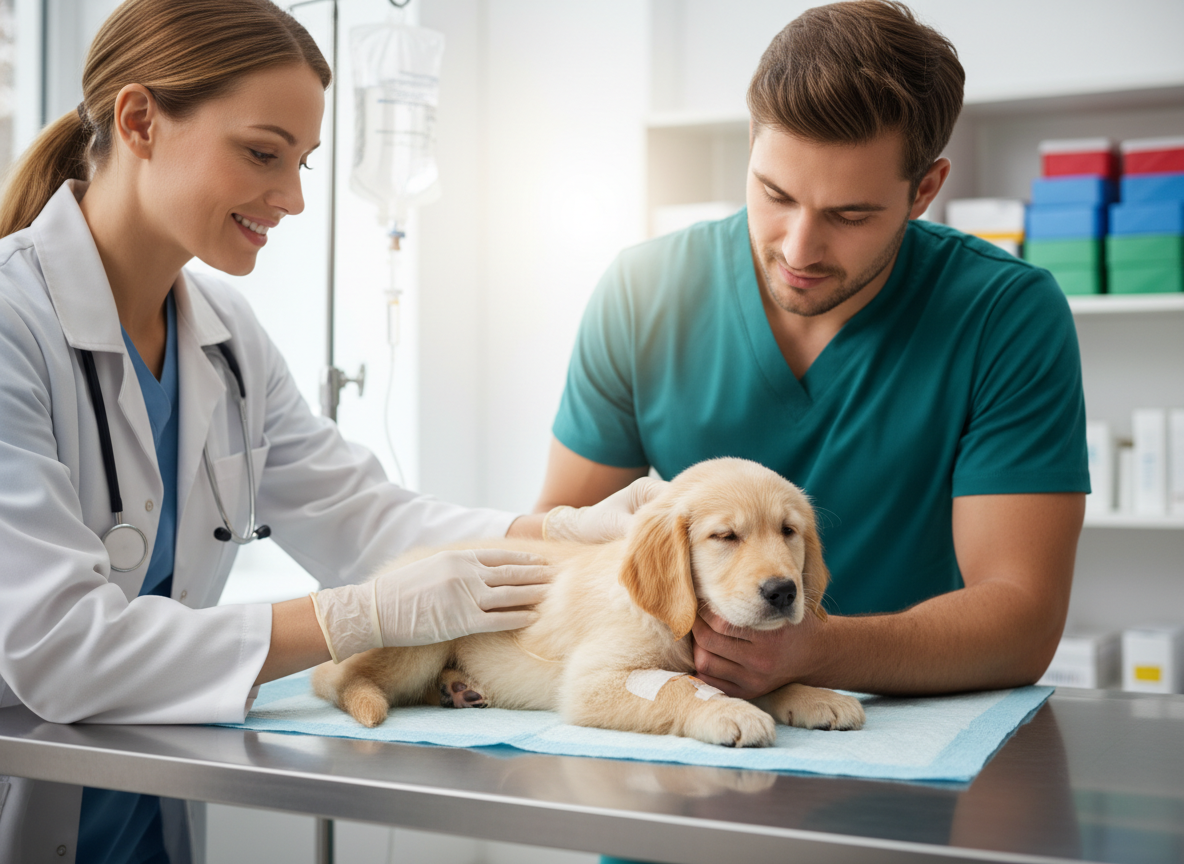
Preventative care isn’t just about treatments; it’s proactive love. Keep a close connection with your vet and follow vaccination schedules strictly to shield your puppy.
Prevention lays the groundwork for security and health, but also ensures your pet enjoys a fulfilling, happy life. In doing so, you’re securing an encouraging future for your beloved companion.
Conclusion
Understanding parvovirus’s final stages is crucial to act quickly. With proper care and attention, many tragedies can be prevented, ensuring your beloved pet’s healthy future.
References
- Cornell University Baker Institute for Animal Health – Canine Parvovirus
- UC Davis Veterinary Medicine – Canine Parvovirus
- American Veterinary Medical Association (AVMA) – Canine Parvovirus
What is the difference between canine parvovirus and human parvovirus B19?
Confusion often arises between canine parvovirus and human parvovirus B19.
Canine parvovirus infects dogs and poses no risk to humans. Human parvovirus B19 does not affect dogs but causes Fifth Disease in humans.
What Are the First Signs of Parvo in a Dog?
The initial indicators of canine parvovirus typically include lethargy, loss of appetite, fever, and vomiting, followed by severe bloody diarrhoea within 24-48 hours of symptom onset.
The primary manifestations of parvovirus infection begin with noticeable behavioural changes. Affected dogs demonstrate reduced energy levels and appear unusually listless or weak. They typically show disinterest in food and water, even if they previously maintained healthy appetites. Many dogs develop an elevated temperature ranging from 103°F to 105°F (39.4°C to 40.5°C) during the initial phase. These non-specific symptoms are often mistaken for minor ailments, leading many pet owners to initially underestimate their dog’s condition.
Can dogs recover from parvo without treatment?
Parvo is a fierce adversary. Some dogs with strong immune systems might survive without treatment, but it’s a gamble. The majority of untreated dogs succumb to the virus due to dehydration and complications from infection.
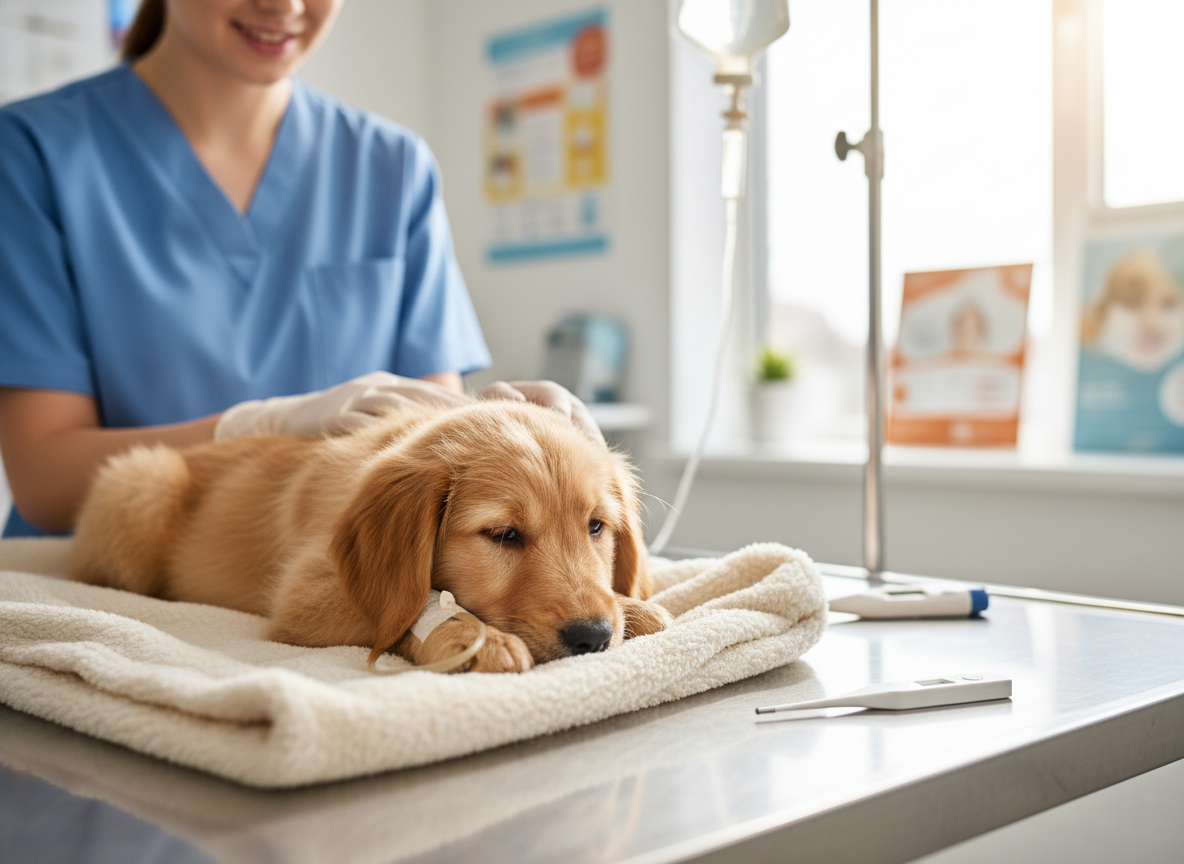
Given these odds, don’t risk a beloved pet’s life. Seek immediate veterinary assistance. Without intervention, even the strongest immune systems struggle immensely. Parvo weakens the dog, opening the door for other infections and complications. Each day without treatment increases the danger. Quick action gives your pet the best fighting chance. Under veterinary care, survival rates improve drastically.
Treatment Options and Survival Factors
Treatment for parvovirus is primarily supportive rather than curative, as there are no specific antiviral drugs that target the virus directly. The cornerstone of treatment involves hospitalization with intensive fluid therapy to combat dehydration and electrolyte imbalances, anti-emetic medications to control vomiting, antibiotics to prevent secondary bacterial infections, and nutritional support. More severe cases may require plasma transfusions, pain management, and other advanced interventions. The survival prognosis depends on several key factors: early intervention (as soon as illness is suspected), the dog’s age and immune status (young puppies may be especially vulnerable), and the quality of veterinary care provided. Working with a reputable Veterinary diagnostics Supplier ensures access to accurate tests for prompt diagnosis.

How should a dog with parvovirus be isolated?
Creating a safe isolation space is crucial. Your dog should be kept away from other dogs and pets. Clean thoroughly, using proper disinfectants designed to combat viral contagion. Regularly change bedding and disinfect toys and accessories. It’s prudent to minimize direct contact with your dog and keep food and water separate. Always wash hands after interaction. Adhering to a strict isolation routine reduces risks of spreading the virus.
Fecal-Oral Transmission
- Direct contact with infected feces
- Indirect contact through contaminated hands, shoes, or objects
- Exposure in places like kennels, pet shops, or veterinary clinics
Abdominal Pain and Bloating
Dogs with parvo often exhibit signs of abdominal discomfort, such as whining, restlessness, or a hunched posture.
The abdomen may also appear swollen or tender to the touch.
Why are parvovirus symptoms often misinterpreted?
Initiate a thorough observation whenever unusual behaviors or symptoms surface in your pet. Keep track of feeding habits, water intake, and unusual noises during breathing or digestion. You’ll want to document as much as possible to assist a veterinarian with important insights that could avoid misinterpretations and guide better treatment strategies.