
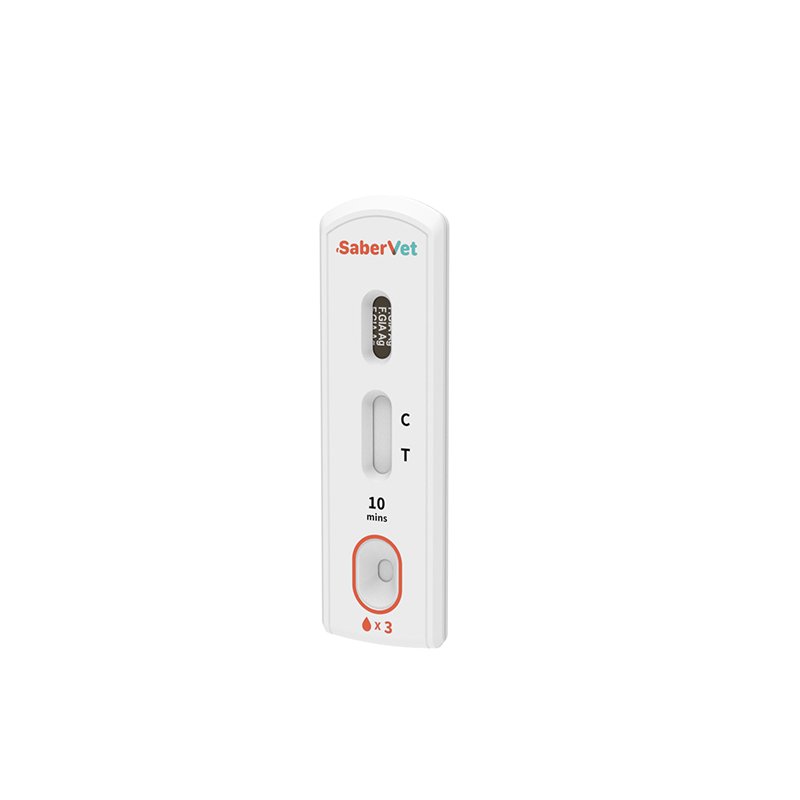
Product Overview
The SaberVet Feline Giardia Antigen Rapid Test is a professional-grade lateral flow immunoassay designed for the rapid detection of Giardia antigens in cat feces. With a total agreement of 98.33% compared to PCR, it provides veterinarians with a highly reliable diagnostic tool for enteric parasitic infections.
Product Parameters
Engineered for precision, built for reliability
- Abbreviation & species
- F.GIA Ag; cat
- Target & method
- Giardia antigen; lateral flow immunoassay, visual qualitative reading
- Specimen
- Fresh feces or rectal swab
- Extraction & loading
- Rotate the swab in the buffer more than 10 times; 3 drops of the mixture (about 90 μL) into the S well
- Reading time
- 5–10 minutes; results after 15 minutes are invalid
- Pack size
- 10 tests per box
- Storage & operation
- Store sealed at 4–30°C away from light, do not freeze; test at 15–30°C
- Shelf Life
- See the expiration date on the package.
- Certifications
- CE, ISO 13485 & GMP certified
- OEM/ODM Service
- Available
Test Procedure
5 steps from the instructions for use
-
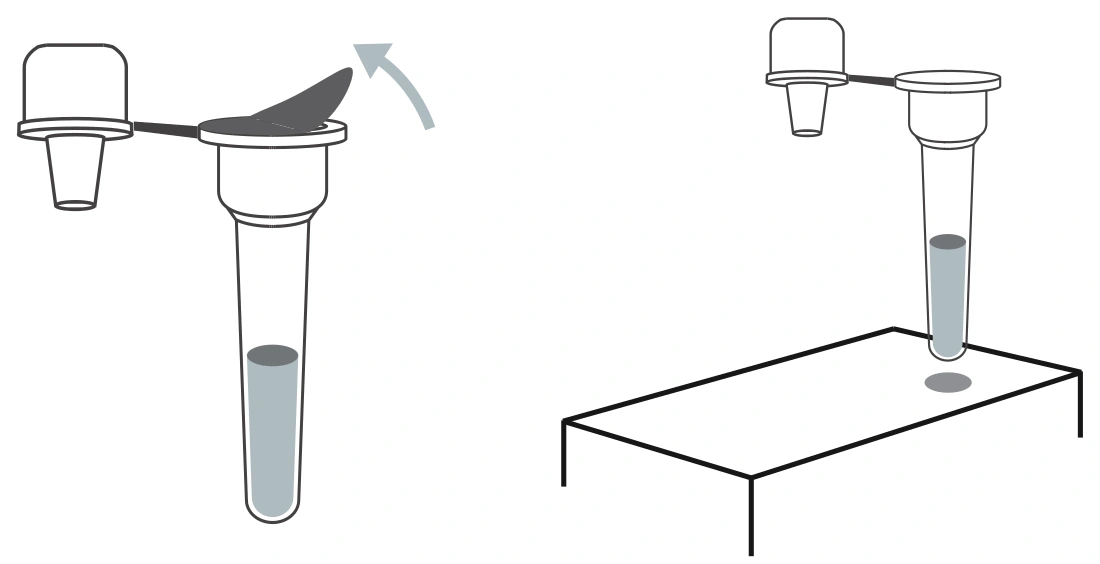 1
Prepare the buffer
At 15–30°C, check the product, lot, expiry date and packaging. Open the buffer tube provided and place it securely in the workstation.
-
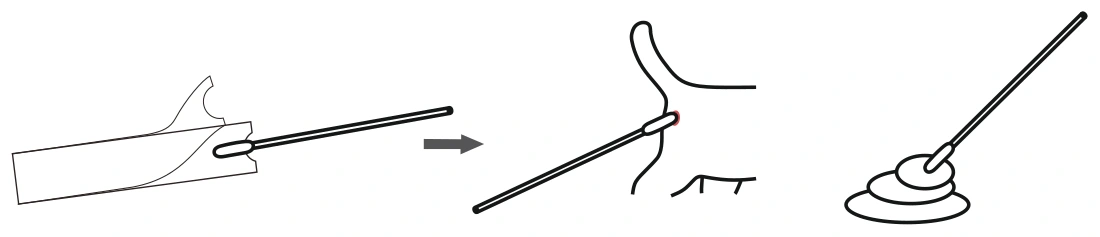 2
Collect the sample
Swab a small amount of fresh feces, avoiding large lumps and cat litter.
-
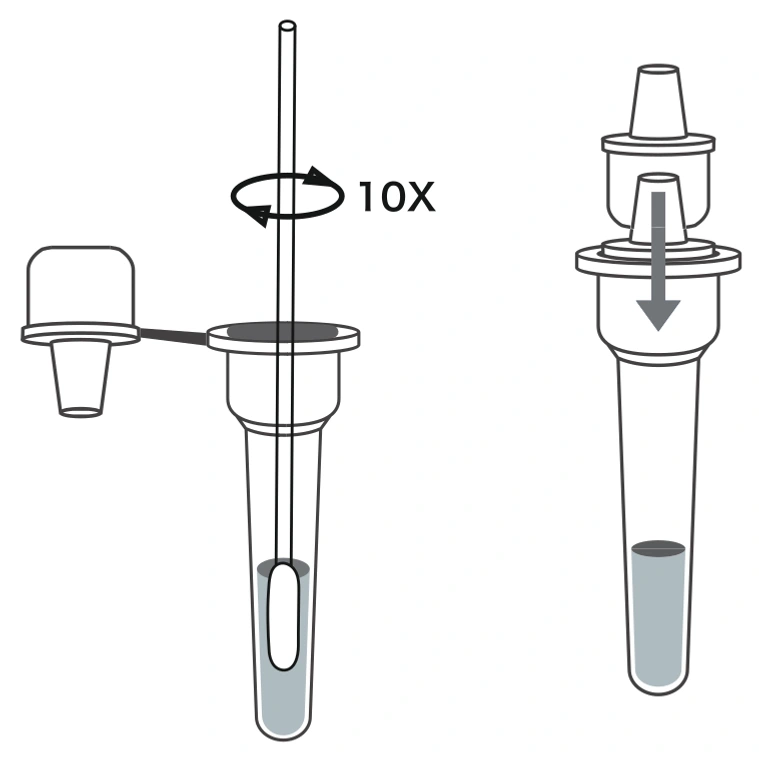 3
Extract the sample
Rotate the swab in the buffer provided more than 10 times, then close the cap.
-
 4
Load and time
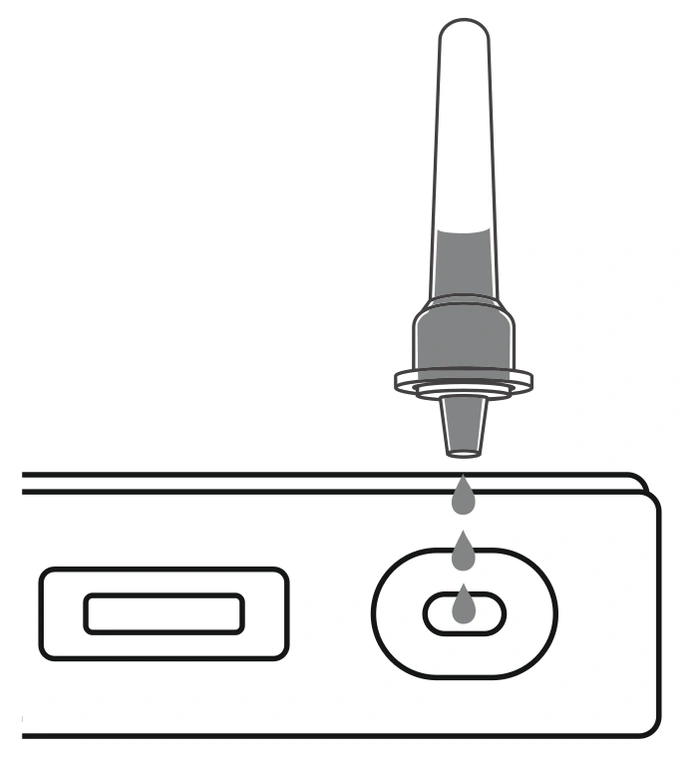
Lay the cassette flat, add 3 drops of extract (about 90 μL) to the S well and start timing.
-
5
Read and record
Read the C/T lines within 5–10 minutes. Results after 15 minutes are invalid.
Full step-by-step instructions
- 1. Prepare the buffer At 15–30°C, check the product, lot, expiry date and packaging. Open the buffer tube provided and place it securely in the workstation.
- 2. Collect the sample Use the swab to take a small amount of fresh feces, or have trained staff collect rectal fecal material. Avoid large lumps of feces and cat litter.
- 3. Extract the sample Place the swab in the buffer, rotate more than 10 times to release the sample, then close the cap. Do not add water or use other buffers.
- 4. Load and time Lay the cassette flat on a clean, level surface right after opening. Add 3 drops of the extracted sample (about 90 μL) vertically into the S well without touching the cassette with the tip, then start timing.
- 5. Read and record Read and record the C/T lines within 5–10 minutes. Results after 15 minutes are invalid. Do not add drops or wait longer to obtain a result.
Reading the Results
Read within the time stated in the instructions for use

Positive
Both colored C and T lines appear. A faint T line within the reading time is also positive: the antigen was detected in this sample.
Negative
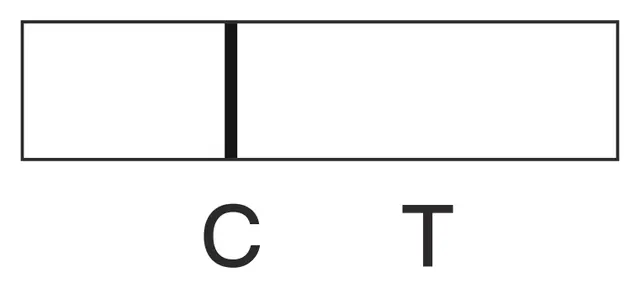
Only the C line appears: the antigen was not detected at the test's detection level; cats with persistent signs or high risk may need resampling and further testing.

Invalid
No C line appears: invalid with or without a T line. Check sampling, extraction, drop count, cassette position and storage/transport, then retest with a new cassette.
Interpretation notes
- Positive: Both colored C and T lines appear. A faint T line within the reading time is also positive: the antigen was detected in this sample. This does not indicate parasite load, severity or that Giardia is the only cause of diarrhea.
Performance Data
Method comparison results stated in the instructions for use
| Target | Reference Method | Positive Agreement | Negative Agreement | Overall Agreement |
|---|---|---|---|---|
| F.GIA Ag | PCR | 98.00% 147/150 95% CI 94.02%–99.58% | 98.67% 148/150 95% CI 94.96%–99.94% | 98.33% 295/300 95% CI 96.04%–99.40% |
Figures reflect the study samples and reference methods described in the instructions for use. Interpret individual results together with clinical findings.
Kit Contents
What is supplied in each box and what you need to prepare

Included in the kit
- Test cassettes
- Sampling swabs
- Buffer tubes
- Instructions for use
- Workstation
Also required
Timer, sample containers as needed and personal protective equipment