
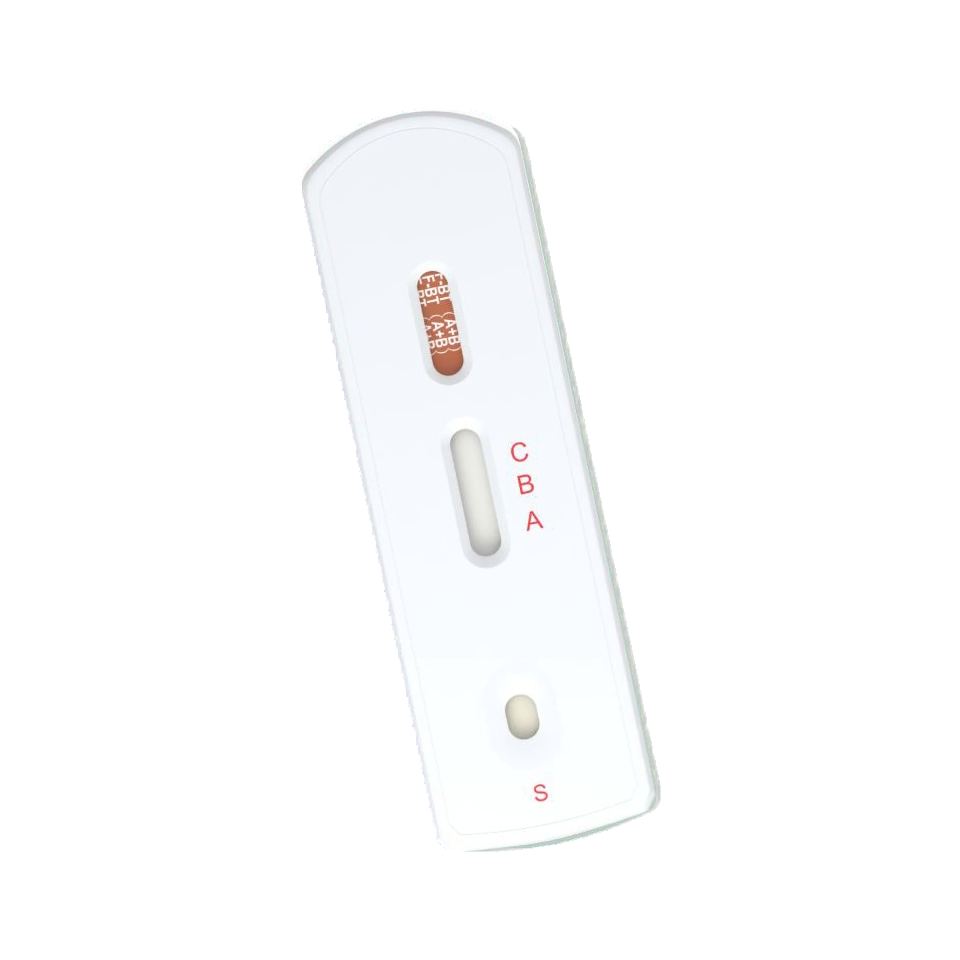
Sabervet Feline Blood Typing Rapid Test
Product Overview
Sabervet Feline Blood Typing Rapid Test (F-BT A+B) is an essential tool for veterinary B2B users, designed to qualitatively classify feline blood into Type A, B, or AB. Critical for safe blood transfusions and preventing neonatal hemolytic anemia, this test delivers results in 10 minutes. The kit includes test devices, buffer tubes, sampling pipes, and a package insert, enabling straightforward sample handling with fresh whole blood or anticoagulated venous blood. Stored away from light at 4-30℃ (no freezing), it retains stability until expiry. With strict safety compliance, it’s suitable for animal hospitals, veterinary clinics, and diagnostic labs needing reliable blood typing to ensure transfusion compatibility and feline health. No specialized equipment required, it’s a practical solution for efficient feline blood screening.
Product Parameters
Engineered for precision, built for reliability
- Abbreviation & species
- F-BT A+B; cat
- Target & format
- Feline AB blood group system; single-well cassette, typed by the C/A/B line pattern
- Specimen
- Fresh whole blood or EDTA-anticoagulated venous whole blood; not serum or plasma
- Sampling & loading
- About 10 μL of whole blood into the buffer; after mixing add 3 drops. If Hct < 20%, add a further 10 μL of whole blood to the buffer
- Reading time
- 10 minutes; results after 15 minutes are invalid
- Pack size
- 10 tests per box
- Storage & operation
- Store sealed at 4–30°C away from light, do not freeze; test at 15–30°C
- Shelf Life
- 36 months (when stored unopened at 4–30°C) / Final expiration date is indicated on the package.
- Certifications
- CE, ISO 13485 & GMP certified
- OEM/ODM Service
- Available
Test Procedure
5 steps from the instructions for use
-
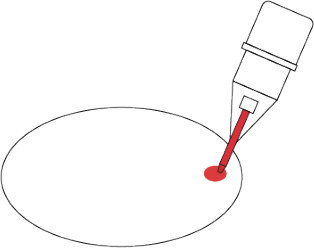 1
Capillary sampling
Draw about 10 μL of whole blood with the sampling tube. If Hct is below 20%, add another 10 μL to the buffer.
-
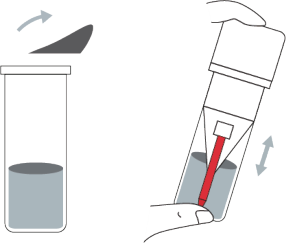 2
Transfer to buffer and mix
Peel the buffer tube seal, insert the sampling end, close tightly and mix well.
-
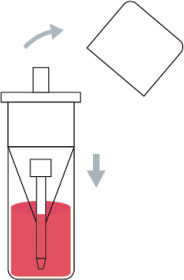 3
Open the dropper tip
Hold the sampling tube upright and carefully remove the tip cap.
-
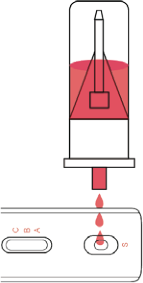 4
Load and time
Lay the cassette flat, add 3 drops of the mixture to the S well and start timing.
-
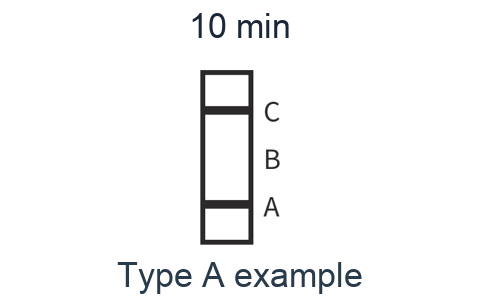 5
Read and record
At 10 minutes, read the C, A and B lines using the letters marked on the cassette. Results after 15 minutes are invalid.
Full step-by-step instructions
- 1. Capillary sampling Check the cat and sample IDs, reagent lot, expiry date and packaging, and work at 15–30°C. Use the sampling tube provided to draw about 10 μL of whole blood by capillary action, avoiding bubbles and under-filling. If Hct is known to be below 20%, use a pipette to add another 10 μL of whole blood to the buffer, for a total of about 20 μL. If Hct is unknown, do not judge by color or add extra blood.
- 2. Transfer to buffer and mix Tear off the foil seal of the buffer tube, insert the sampling end into the tube, close it tightly and mix thoroughly to release the blood into the buffer. Do not drop whole blood directly onto the cassette.
- 3. Open the dropper tip Hold the sampling tube upright and carefully remove the tip cap.
- 4. Load and time Lay the cassette flat right after opening, add 3 drops of the mixture to the S well and start timing. If the liquid does not migrate, 1 more drop may be added as the IFU allows (record it); do not keep adding drops, and stop and investigate if it still does not run.
- 5. Read and record At 10 minutes, read the C, A and B lines using the letters marked on the cassette. Results after 15 minutes are invalid.
Reading the Results
Read within the time stated in the instructions for use
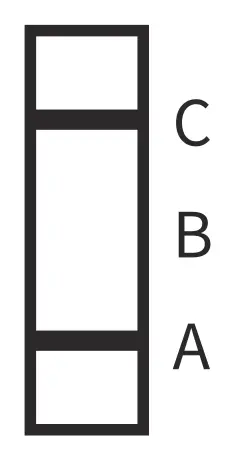
Type A
The C line and A line appear; the B line does not.
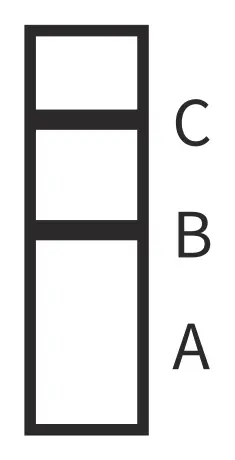
Type B
The C line and B line appear; the A line does not.
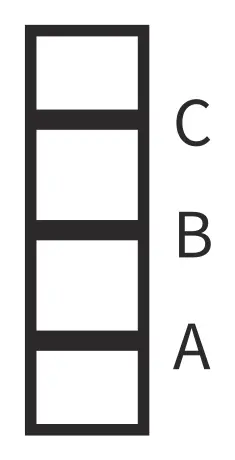
Type AB
The C, A and B lines all appear. Also note the special weak-line case below and possible sample interference.
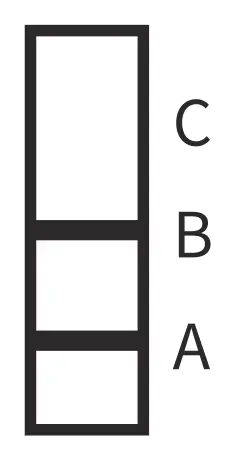
Invalid
No C line appears: no blood type can be reported, whatever the A/B lines show.
Interpretation notes
- Invalid: No C line appears: no blood type can be reported, whatever the A/B lines show. If only the C line appears with no A or B line, the sample must not be called type O; retest or confirm with a reference method.
- Note: Special weak-line rule: the current instructions state that a very strong A line with a very weak B line is read as type A. If this is hard to confirm, or with two weak lines, autoagglutination, low Hct or recent transfusion, recheck properly before using the result for transfusion decisions.
Kit Contents
What is supplied in each box and what you need to prepare
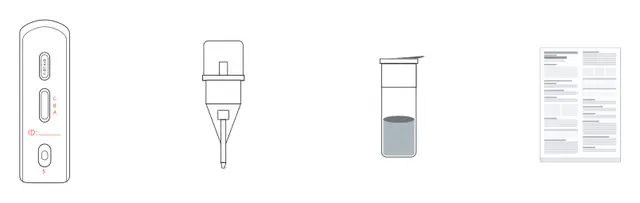
Included in the kit
- Test cassettes
- Sampling tubes
- Buffer tubes
- Instructions for use
Also required
Timer, blood collection supplies and personal protective equipment; a calibrated pipette for the extra sample when Hct is low