You need quick answers when your birds look sick. The avian candida albicans test finds yeast infections fast. Early detection helps you keep your flock safe from candida albicans. You can use the avian candida albicans test at home or at a clinic. Many poultry candida albicans diagnostic test makers now sell kits that are easy to use. The avian candida albicans test gives results you can trust. You can rely on avian candida albicans test makers and chicken candida albicans home test makers for good tools. The avian candida albicans test helps your birds stay healthy and strong.
Key Takeaways
- It is important to find yeast infections in chickens early. Look for things like losing weight, feathers that look dull, or white spots in the mouth.
- You can use avian candida albicans test kits at home. These tests give you fast answers. They help you protect your chickens quickly.
- If you notice any signs, test your chickens right away. Do not wait for the infection to get worse. This is very important for young or weak birds.
- Make sure you know what your test results mean. One line shows a negative result. Two lines show a positive result for candida. Take action fast if the test is positive.
- Keep your chickens’ home clean. Clean often and feed them good food. This helps stop yeast infections from happening.
Recognizing Yeast Infection in Chicken
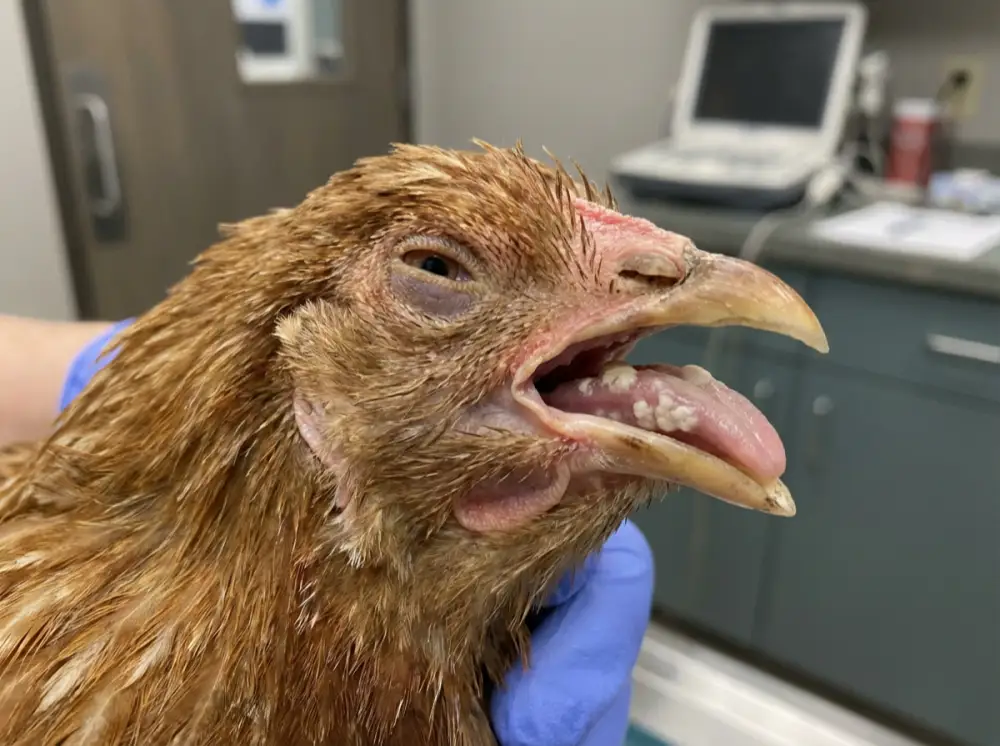
Signs of Candida Albicans
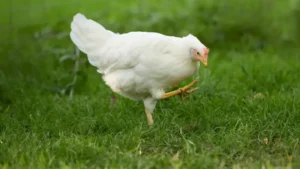
You need to watch your chickens closely for any changes. Yeast infection in birds can show up in many ways. You may see your chicken lose weight or eat less. Sometimes, you notice white patches inside the mouth or on the tongue. These patches often mean yeast is growing. Droppings may look different or watery. Feathers can look dull or ruffled. You might see your bird act tired or weak. These symptoms often point to a yeast infection in birds. You should also check for bad breath or a sour smell. This can happen when yeast grows in the crop. If you see these signs, you need to think about candida. Early detection helps you stop the infection from spreading.
Tip: Write down any symptoms you see. This helps you share clear information with your veterinarian or when you contact an avian candida albicans test manufacturer.
When to Diagnose
You should test for yeast infection in birds as soon as you notice symptoms. Do not wait for the infection to get worse. If you see more than one bird with yeast symptoms, act quickly. Young chicks and birds under stress get yeast infections more easily. You should also test if you bring new birds into your flock. Testing helps you protect all your chickens from candida. Many poultry candida albicans diagnostic test manufacturer options offer easy-to-use kits. You can use a chicken candida albicans home test manufacturer kit for fast results. If you want more details, you can ask an avian candida albicans biochemical tests manufacturer for advice. Early testing means you can treat yeast infection in birds before it spreads.
Avian Candida Albicans Test Methods
Rapid Antigen Test Overview
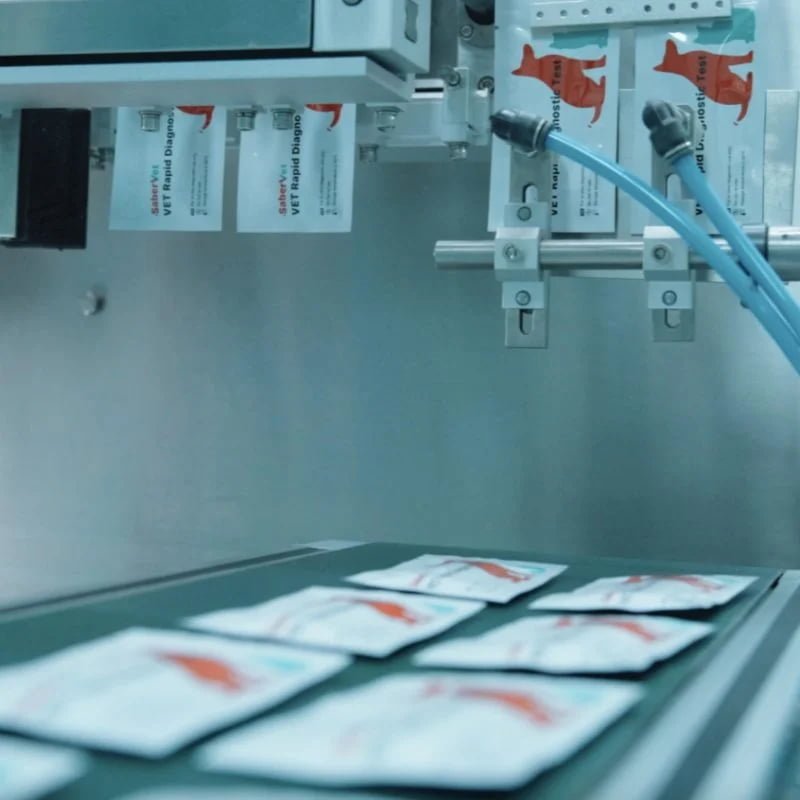
Rapid antigen tests help you find Candida albicans in chickens. The Sabervet Candida Albicans Antigen Rapid Test is a top pick from avian candida albicans test manufacturers. This test shows results in 5 to 10 minutes. You do not need lab tools. You can use it at home or in a clinic. The kit has swabs, tubes, and a workstation. Everything you need comes in one box.
The Sabervet test works well because it is sensitive and specific. It finds the Candida albicans antigen in fecal or rectal swab samples. Many poultry candida albicans diagnostic test manufacturers make kits that are simple to use. You can trust the results since the test follows strict quality rules. If you want fast answers, this rapid test is a good choice.
How to Use the Sabervet Rapid Test
Follow these steps to use the Sabervet Candida Albicans Antigen Rapid Test:
- Wear protective gear. Put on nitrile gloves and a lab coat before starting.
- Collect the sample. Use the swab to take a fecal or rectal sample from your chicken.
- Prepare the sample. Put the swab in the extraction tube. Mix it well to release the antigen.
- Apply the sample. Add drops of the mixed sample to the test cassette.
- Wait for results. Look at the results window after 5 to 10 minutes.
- Interpret the results. One line means negative. Two lines mean positive for Candida albicans.
All samples from patients are biohazards. They may have germs that can infect healthcare workers. Wear gloves and lab coats to stay safe. Work in biosafety cabinets to lower risk.
Always follow biosecurity rules when handling samples. Use nitrile gloves and a lab coat that keeps liquids out. Wear a face mask or goggles if splashes might happen. Throw away all waste in biohazard containers.
Crop Cytology and Fungal Culture
Crop cytology helps you check for yeast in chickens. You take a sample from the crop and look at it under a microscope. You may see yeast cells or budding forms if your bird is infected. Many avian candida albicans biochemical tests manufacturers sell supplies for this method.
Fungal culture, also called yeast culture, lets you grow the organism in a lab. You collect a sample from the crop or mouth and put it on a special medium. After a few days, you can see if Candida albicans grows. This method confirms the diagnosis. Poultry candida albicans diagnostic test manufacturers often sell culture kits for clinics and labs.
Crop cytology and fungal culture take longer than rapid tests. You may need help from a vet or a lab. These methods give you more details about the infection.
Histology and Smear Techniques
Histology and smear techniques are another way to find Candida albicans. You collect tissue samples from the mouth, crop, or other sick areas. You stain the samples and look at them under a microscope. You may see yeast cells or tissue damage from the infection.
Chicken candida albicans home test manufacturers sometimes include simple smear tools in their kits. For advanced tests, you may need to send samples to a lab. Histology shows how bad the infection is and if it has spread.
Pick the test method that fits your needs best. Rapid antigen tests give quick answers. Crop cytology, yeast culture, and histology give more details. Many avian candida albicans test manufacturers and poultry candida albicans diagnostic test manufacturers sell products for each method. Always use safety steps when handling samples to protect yourself and your flock.
Diagnosing and Interpreting Results
Understanding Positive and Negative Outcomes
It is important to know what your test results mean. When you use a rapid test from an avian candida albicans test manufacturer, you will see lines on the cassette. One line means the result is negative. Two lines mean the result is positive for candida. If your chicken has a positive result, it has candidiasis. You need to act fast to protect your flock.
A negative result means your chicken does not have candida right now. You should still watch your chicken for symptoms. Sometimes, early infections do not show up right away. If you see signs later, you may need to test again. You can use kits from a chicken candida albicans home test manufacturer to test again.
Things like temperature and humidity can change how accurate your results are. You must pay attention to how warm or humid your chicken house is. These things affect how candida grows and spreads. If you test in a warm, humid place, you may see more yeast. If you test in a cooler, dry place, you may see less yeast. Here are some ways temperature and humidity affect your results:
- Temperature changes can make candida grow faster or slower.
- High humidity helps yeast reproduce and spread.
- Fungal communities in chicken houses depend on temperature for growth.
- Relative humidity can change how well the test detects candidiasis.
Note: Always store your test kits the way the instructions say. Keep them away from heat and moisture. This helps you get the most accurate results.
Next Steps After Diagnosis
You must decide what to do after you find out your chicken has candidiasis. If your chicken tests positive, you need to start treatment. Ask your veterinarian for help. You may use antifungal medicine or change your chicken’s food. Clean the coop and remove old bedding. This stops candida from spreading.
If your chicken tests negative, keep watching for symptoms. You can use another test from a poultry candida albicans diagnostic test manufacturer if you see new signs. You may also try avian candida albicans biochemical tests manufacturer kits for more detailed checks.
Here is a simple table to help you plan your next steps:
| Test Result | What You Should Do | Who Can Help |
|---|---|---|
| Positive | Start treatment | Veterinarian, test manufacturer |
| Negative | Monitor symptoms | Chicken candida albicans home test manufacturer |
| Unclear | Retest or seek lab help | Avian candida albicans biochemical tests manufacturer |
Tip: Write down what you do and keep records. This helps you track your flock’s health and share information with your veterinarian.
Finding yeast infections early helps you keep your chickens healthy. You can use tests from many manufacturers to check for candidiasis. You must act fast and follow safety steps. This keeps your flock safe and strong.
Managing Yeast Infections in Pet Birds
Treatment Options
You must act fast if you see yeast infection signs. Treating early helps your bird get better and stops the spread. Birds with infection may eat less, lose weight, or seem tired. These signs mean the infection could be getting worse. Call a veterinarian as soon as you notice these problems. A veterinarian will help you pick the right treatment for your bird.
Most veterinarians use antifungal medicine to treat infection. Studies show fluconazole works well for many birds. It helps birds eat more and gain weight again. Other medicines like itraconazole and voriconazole can also help. Your veterinarian will choose the best one. Sometimes, your veterinarian may talk about crop mycosis. This is a kind of infection in the crop. Treating crop mycosis often means using antifungal medicine and changing the bird’s food.
If your bird has a bad yeast overgrowth or weak immune system, get help from a veterinarian right away. Infection can come back if you do not fix the cause. Your veterinarian may use tests from an avian candida albicans test manufacturer or a poultry candida albicans diagnostic test manufacturer to check for infection. Regular vet visits help you find infection early and start treatment quickly.
Prevention Strategies
You can stop yeast infections by keeping your bird’s space clean and dry. Good cleaning keeps infection from spreading. Wash food and water bowls every day. Change bedding often. Make sure your birds eat healthy food. Bad nutrition can make the immune system weak and cause more infection.
Ask your veterinarian why birds get yeast overgrowth. Stress or other sickness can cause infection. Your veterinarian may suggest using tests from an avian candida albicans biochemical tests manufacturer or a chicken candida albicans home test manufacturer to check for infection. If you see infection signs, act fast to stop it from spreading.
Tip: Keep a health record for each bird. Write down any signs, treatments, and how your bird gets better. This helps your veterinarian give the best advice.
Stopping infection and treating early helps your birds get better and stay healthy. Always work with your veterinarian for the best care.
You help your chickens stay healthy by testing often. Finding candida early stops it from spreading. Fast results from a poultry candida albicans diagnostic test manufacturer or a chicken candida albicans home test manufacturer let you act quickly. Using good tools from an avian candida albicans test manufacturer or an avian candida albicans biochemical tests manufacturer helps you control disease and keep your flock strong. If you want more help, try these ideas:
- Put antifungal medicine like nystatin in feed or water.
- Use copper sulfate in water to help prevent infection.
- Solve any health issues that make your birds weak.
Always talk to your veterinarian if you need help with testing or treatment.
FAQ
How do I choose the right test kit for my chickens?
You can get a kit from a poultry candida albicans diagnostic test manufacturer or a chicken candida albicans home test manufacturer. Pick a kit with simple steps and quick results. If you are not sure, ask your veterinarian for help.
Can I use the avian candida albicans test at home?
Yes, you can use kits from a chicken candida albicans home test manufacturer. These kits are good for small flocks at home. Read the instructions and follow each step. Wear gloves and keep your area clean.
What should I do if my test result is unclear?
Test your chicken again with a kit from an avian candida albicans test manufacturer. You can also ask an avian candida albicans biochemical tests manufacturer for more testing. Write down all your results and what you do.
How often should I test my flock for candida albicans?
Test your flock when you see signs or add new birds. Checking often helps you find infection early. Use kits from a poultry candida albicans diagnostic test manufacturer for regular checks.
Who can help me understand my test results?
Your veterinarian can help you understand your results. You can also talk to an avian candida albicans test manufacturer or an avian candida albicans biochemical tests manufacturer for help. Take notes so you can share them with experts.
If you are looking for high-sensitivity test strips, you can find our diagnostics Sabervet® diagnostic products online store here. For those seeking integrated diagnostic systems or partnership opportunities, please explore our full ITGen® diagnostic products here.