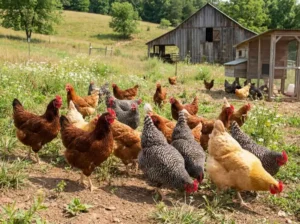
When I notice a chicken with a swollen or squishy crop, I act fast. I separate the bird from the flock to reduce stress and stop the spread of possible illness. I withhold food for a short period but always provide fresh water. Gentle massage of the crop helps move its contents and relieve discomfort. If I see signs of Chicken Candida Albicans, I know acting quickly can prevent bigger problems. Most crop issues get better with these simple steps at home.
What Are Sour Crop and Impacted Crop?
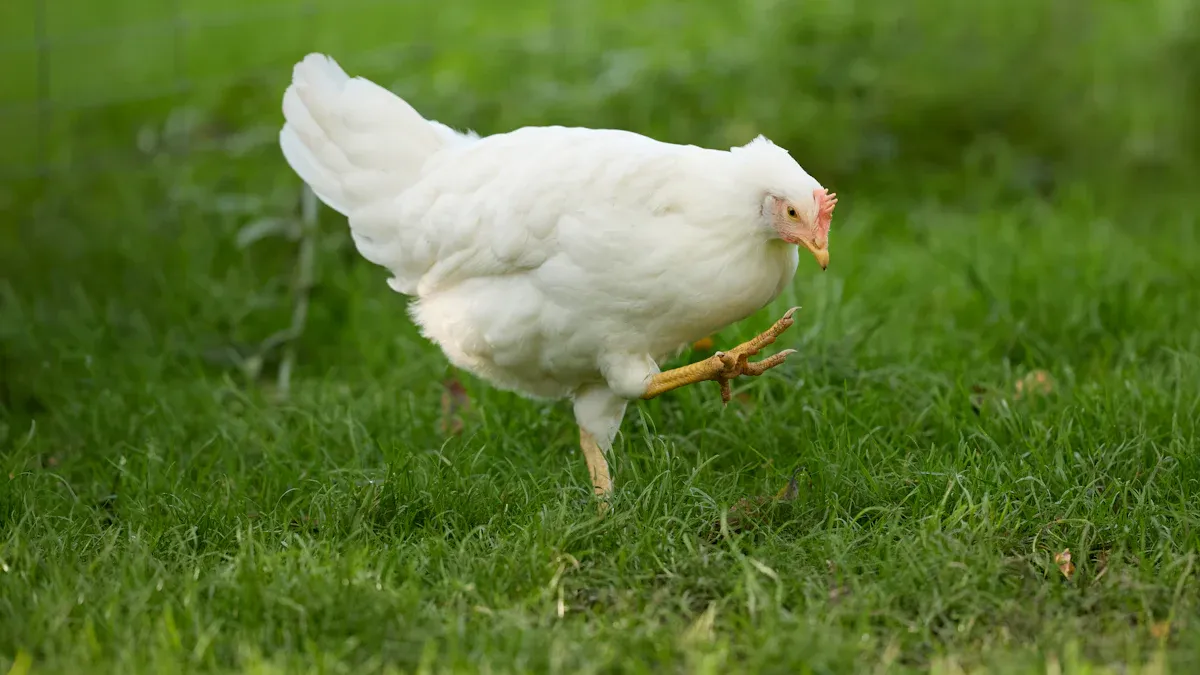
How Do These Crop Problems Start?
I often see crop problems begin when chickens eat things they cannot digest or when their digestive system gets out of balance. Sour crop usually starts with a yeast infection, most often from Candida albicans. I notice a sour smell from the chicken’s mouth when this happens. Sometimes, long-term antibiotic use disrupts the good bacteria in the crop, which lets yeast grow out of control. Chickens with weak immune systems also get sour crop more easily.
Impacted crop happens when something blocks the crop. Free-range chickens often eat long grass, which can get stuck. If a chicken eats too much feed after not eating for a while, the crop can become packed and hard. I have seen chickens get impacted crops from eating litter, sand, or even foreign objects. Diseases like Marek’s disease can slow down the gut, making these problems worse.
Tip: I always check what my chickens have access to. Grass clippings, dried oatmeal, and poor-quality feed can all raise the risk of crop issues.
Here are some common risk factors:
| Risk Factor | Description |
|---|---|
| Access to grass clippings | Can lead to blockages in the crop |
| Feeding dried oatmeal or soybeans | These foods swell and may cause impaction |
| Poor quality diet | Increases the chance of eating harmful materials |
| Hazardous objects left out | Can cause physical blockages or injuries |
| No Marek’s disease vaccination | Weakens health, raising risk of crop problems |
What’s the Difference Between Sour Crop and Impacted Crop?
I tell the difference by feeling the crop and noticing the smell. An impacted crop feels hard and large. The food inside cannot move on to the gizzard. Sour crop feels soft and squishy, and I smell a sour odor from the chicken’s breath. Sometimes, an impacted crop turns into sour crop if the food starts to ferment.
Here’s a quick comparison:
| Condition | Symptoms | Progression |
|---|---|---|
| Sour Crop | Squishy crop, sour smell, food ferments | Can develop from impaction if not treated |
| Impacted Crop | Hard, full crop, may not empty | Can lead to sour crop if food ferments |
Sour crop and impacted crop show up more in broiler breeds. I see them less often in backyard flocks, but I always stay alert for signs. Early action makes a big difference in recovery.
How Can You Identify Chicken Candida Albicans and Other Causes?
What Are the Main Symptoms to Watch For?
When I check my flock for crop problems, I look for clear warning signs. A chicken with Chicken Candida Albicans often shows a squishy, swollen crop. I notice lethargy and a lack of appetite. Sometimes, I see weight loss or a sour, unpleasant smell coming from the bird’s mouth. If I gently touch the crop, liquid or gas may exit the beak. White patches in the mouth can also point to Chicken Candida Albicans. For impacted crop, I find a persistently full crop with a firm or hard texture. The chicken may act tired, lose weight, or have bad breath.
Tip: I always check for these symptoms early. Quick action helps prevent serious illness.
How Do You Diagnose Sour Crop and Impacted Crop?
I know that early and accurate diagnosis makes treatment much more effective. Chicken Candida Albicans is the main cause of sour crop in chickens. This yeast infects the oral mucosa, esophagus, and crop, so I pay close attention to these areas. I also consider other causes, such as spoiled feed or unclean water, which can lead to crop mycosis. Marek’s disease sometimes affects crop function. Parasitic infections like Capillaria species and protozoal infections such as trichomoniasis can also play a role.
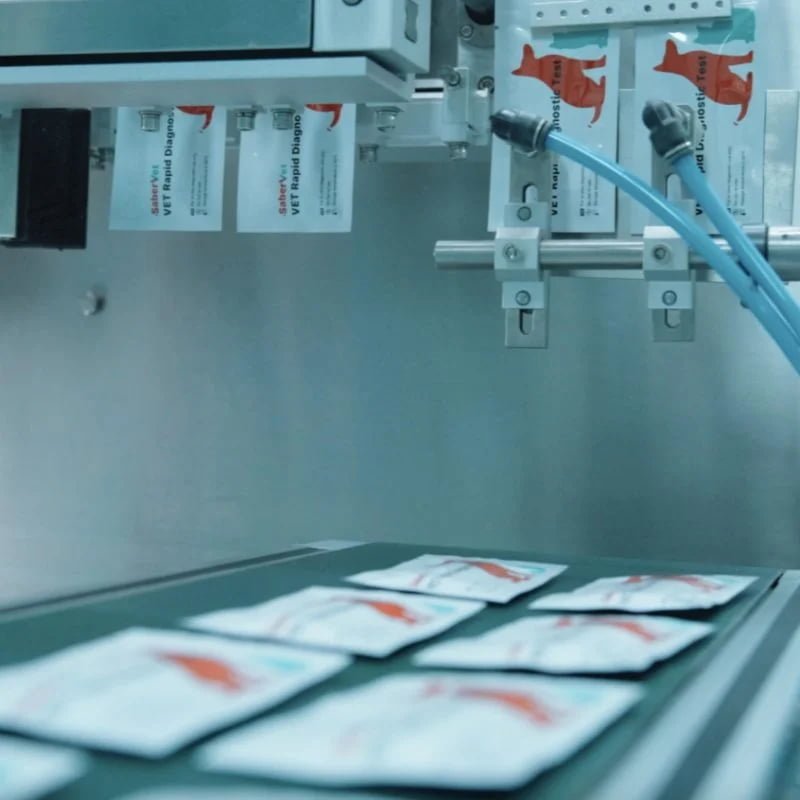
To confirm Chicken Candida Albicans, I use rapid tests for fast results. The Sabervet Candida Albicans Antigen Rapid Test gives me answers in just 5 to 10 minutes. This test uses advanced technology to detect Candida antigen in fecal or rectal swab samples. I trust its high accuracy and simple four-step process. I can find more information or order the test at Sabervet’s avian rapid test page or directly from Sabervet’s product page.
When I use the Sabervet test, I follow the instructions closely. I collect a sample, mix it with the buffer, load it into the test device, and read the result. This process helps me confirm Chicken Candida Albicans quickly, so I can start treatment right away.
Note: I always keep a rapid test kit on hand. Fast diagnosis means better outcomes for my chickens.
What Are the Best Treatments for Crop Issues?
What Home Remedies Work for Sour Crop and Impacted Crop?
When I treat crop problems in my chickens, I start with simple home remedies. These methods often help mild cases of sour crop and impacted crop. I always isolate the affected chicken in a warm, quiet area. This reduces stress and lets me monitor the bird closely.
Here are the most effective home remedies I use:
| Remedy | Description |
|---|---|
| Yogurt | I feed plain, unsweetened yogurt to help restore healthy gut bacteria and fight sour crop. |
| Olive Oil | I give a small amount of olive oil by mouth to help loosen impacted material in the crop. |
| Apple Cider Vinegar | I add a small amount to drinking water. It acts as a mild antifungal and helps with yeast infections. |
| Clotrimazole | I use this antifungal as a last resort, only after emptying the crop and under veterinary guidance. |
I also use these steps to support recovery:
- I hold the chicken at a 60-degree angle, head lower than the body, and gently massage the crop toward the throat. This can help expel liquid or gas.
- I encourage the chicken to eat soft foods and drink water with a pinch of baking soda.
- I provide grit to help grind food and prevent future impaction.
Tip: I never force-feed a chicken with a full or hard crop. I always wait until the crop empties before offering food.
When Should You Use Antifungals or Veterinary Care?
Sometimes, home remedies are not enough. If I suspect Chicken Candida Albicans, I consider antifungal medications. I have seen cases where apple cider vinegar and yogurt did not resolve the problem. In these situations, I use antifungals like copper sulfate, nystatin, or clotrimazole, but only with proper dosing.
Veterinarians often recommend medications such as itraconazole, amphotericin B, or fluconazole for stubborn cases. I have read that fluconazole works well and helps chickens regain appetite and body weight. I always follow my vet’s instructions for dosage and duration.
Surgical intervention becomes necessary when the crop impaction is severe. If the crop feels as large as a softball or does not empty after several days, I contact my veterinarian. Surgery may be the only option for long-standing or large impactions. I know that undiagnosed or untreated impactions can lead to emergency situations.
Note: I seek veterinary help if the chicken shows no improvement, has trouble breathing, or cannot keep water down.
What Are the Step-by-Step Instructions for Each Treatment?
I follow a clear process when treating crop issues. Here are my step-by-step instructions:
- I withhold food for 12-24 hours to let the crop empty.
- I provide clean, fresh water at all times.
- I gently massage the crop for 5 minutes, moving my hand from the bottom up to loosen the contents.
- I give coconut oil or olive oil by mouth to help soften impacted material.
- I administer antifungal medication if I suspect Chicken Candida Albicans, following my vet’s advice.
- I feed soft foods, such as soaked chick starter, for the first three days.
- I add apple cider vinegar to the water to help control yeast.
- I check the crop every morning to make sure it empties overnight.
- I monitor the chicken’s progress and look for signs of recovery, such as increased appetite and normal droppings.
Tip: After recovery, I keep checking the crop each morning. If I notice pendulous crop, I use a crop bra at night to support healing.
I always treat on an empty crop and watch for improvement. If the chicken does not recover or the crop remains full, I call my veterinarian for further care.
How Can You Prevent Crop Problems and When to Call a Vet?
What Daily Habits Help Prevent Recurrence?
I focus on daily routines to keep my chickens’ crops healthy. Prevention starts with what I feed and how I care for my flock. I always provide a balanced diet and make sure clean water is available at all times. I add probiotics to their feed regularly. This helps maintain good bacteria in their digestive tract and boosts their immunity. Once a month, I mix a small amount of apple cider vinegar into their water. This helps raise their body’s pH and keeps harmful pathogens in check.
I introduce new feed slowly. Sudden changes can upset their digestion and lead to crop issues. Grit is essential, especially for chickens that free-range or eat whole grains. Grit helps break down tough foods in the gizzard and prevents impaction. I check that my chickens have access to grit every day.
Here are my top prevention habits:
- Offer probiotics to support gut health.
- Add apple cider vinegar to water monthly.
- Change feed gradually to avoid digestive upset.
- Provide grit daily for proper digestion.
- Ensure constant access to fresh, clean water.
Tip: Proper hydration supports digestion and helps prevent crop impaction. I watch for signs of dehydration, especially in hot weather.
When Is Veterinary Help Needed?
Sometimes, home care is not enough. I watch my chickens closely for warning signs that mean I need to call a vet. If a chicken’s crop stays hard or swollen for more than 24 to 48 hours, I seek professional help. I also act quickly if I see severe symptoms.
Warning signs that require veterinary attention:
- Crop remains rock-hard or extremely distended.
- No improvement after massage and hydration for two days.
- Severe lethargy, weakness, or signs of dehydration (sunken eyes, dry skin).
- Constant vomiting or regurgitation, especially with a foul odor.
- Chicken cannot keep water down or shows signs of pain.
If the crop impaction lasts a long time or the chicken’s condition worsens, surgery may be needed. I never wait if I see these signs. Early veterinary care can save my chicken’s life.
I always act quickly when I spot crop issues in my flock. I check the crop for size and hardness, use oil and massage, and try a crop flush if needed. I keep rapid tests and basic treatments ready because fast diagnosis helps me choose the right care.
- I monitor my chickens daily and follow good biosecurity, isolation, and sanitation routines.
- I rely on trusted resources for up-to-date flock management advice.
| Resource Title | Description |
|---|---|
| Best Management Practices for Backyard Poultry Keepers | Offers guidance on poultry care and biosecurity. |
| Management of Backyard Poultry | Shares tips on nutrition and flock health. |
With these steps, most chickens recover well and return to a healthy, active life.
FAQ
How often should I check my chickens’ crops?
I check my chickens’ crops every morning before feeding. This helps me spot problems early. If I notice a crop that does not empty overnight, I take action right away.
Can I use human antifungal creams for sour crop?
I have used clotrimazole cream in emergencies, but I always consult my veterinarian first. Proper dosing is important. I never use any medication without guidance from a professional.
Is it safe to massage a chicken’s crop?
Yes, I gently massage the crop to help move its contents. I use slow, careful movements. I stop if the chicken shows distress or if I feel a hard lump that does not move.
What should I feed a chicken recovering from crop issues?
I offer soft, easily digestible foods like soaked chick starter or scrambled eggs. I avoid whole grains and tough foods until the crop works normally again.
How do I prevent crop problems in my flock?
I provide grit, clean water, and a balanced diet. I introduce new feeds slowly. I keep the coop clean and remove anything chickens might swallow by mistake.
If you are looking for high-sensitivity test strips, you can find our diagnostics Sabervet® diagnostic products online store here. For those seeking integrated diagnostic systems or partnership opportunities, please explore our full ITGen® diagnostic products here.