Diagnosing classical swine fever needs good testing methods because the signs look like other diseases. Looking at pigs is not enough to confirm csf in a lab or make sure of the diagnosis. Lab tests use things like RT-qPCR, virus isolation, ELISA, and immunofluorescence assay. These official tests are very good at finding the disease and making sure the results are correct. IVD kits for Classical Swine Fever, including quick test choices, help find CSF in pigs. New products like Sabervet and Classical Swine Fever antigen test kits help farms and vets test pigs quickly and easily.
Why is visual inspection unreliable for classical swine fever detection?
What are the limitations of clinical signs?
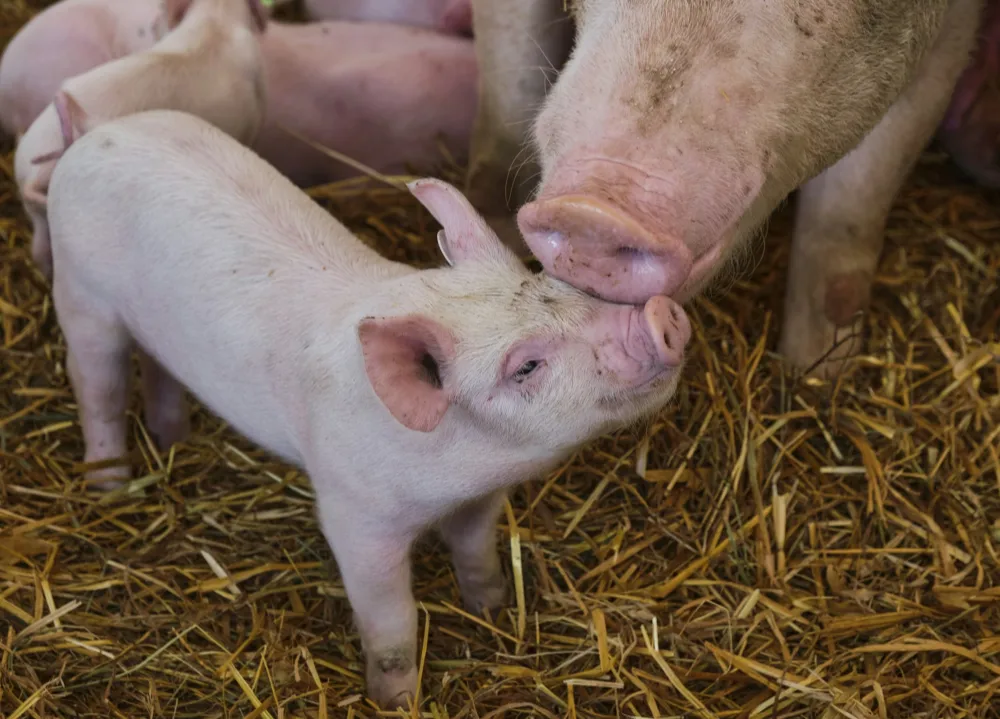
Farmers and veterinarians look for sick pigs by checking how they act and look. But just looking at pigs does not always show if they have classical swine fever. Many signs, like fever, tiredness, and changes in skin color, also happen with other pig diseases. Because of this, it is hard to know if a pig has this disease or something else.
- The signs of classical swine fever are not special and can look like other sicknesses.
- Things like fever and not wanting to eat are seen in many pig diseases.
- Sometimes, pigs get “button” ulcers, but these do not always show up.
- To be sure about CSF, labs must test pigs because looking at them is not enough.
To keep pigs healthy, veterinarians use tools like Sabervet and Classical Swine Fever screening kits. These kits help with Accurate CSFV diagnosis by finding certain antigens or antibodies. Lab tests, like CSFV PCR test kits and CSF antibody detection kits, are needed to prove there is an outbreak and to find sick pigs.
How does misdiagnosis affect control efforts?
If the disease is not found right, it can slow down steps to stop classical swine fever. When people think the signs are from another disease, farmers may not tell others fast. This means more pigs can get sick before the real problem is found.
In Japan, during some outbreaks, many pigs had fever and did not want to eat. These signs were common and did not make people report the disease quickly. Lab tests later showed that the infection took time to show clear signs, so people only told others after many pigs were already sick or dead.
Fast and good lab tests, like Classical Swine Fever antigen test kits, help stop these delays. Finding the disease early and correctly is important to keep pig herds safe and stop the disease from spreading.
What are the main methods for rig detecting_ the virus?
How do virological tests work for classical swine fever?
Virological tests help find the virus that causes classical swine fever. These tests look for the virus in pig samples. RT-qPCR is a common way to do this. It finds the virus’s genetic material fast and very well. Virus isolation is another way. Scientists use it to grow the live virus in cell cultures. This helps them know if the virus is really there. Immunofluorescence uses special glowing antibodies. These glow under a microscope and show the virus in tissues. These lab tests are important for finding the disease early and stopping it.
| Method | Type | Principle of Operation |
|---|---|---|
| RT-qPCR | Virological | Detects the virus’s genetic material for rapid diagnosis. |
| Virus Isolation | Virological | Grows the virus in cell culture to confirm its presence, considered the gold standard. |
| Immunofluorescence | Virological | Uses fluorescently labeled antibodies to visualize the virus in tissue samples. |
RT-qPCR and virus isolation are often used together for accurate CSFV diagnosis. Immunofluorescence helps when results are needed quickly.
What are the key serological detection methods?
Serological tests do not look for the virus. They check for antibodies in the pig’s blood. ELISA is a popular test. It shows if a pig met the virus or got a vaccine. The virus neutralization test, called SNT, checks if the antibodies can stop the virus. These tests are important for Classical Swine Fever screening and watching herds.
| Method | Type | Principle of Operation |
|---|---|---|
| ELISA | Serological | Detects antibodies in blood to indicate past exposure or vaccination. |
| Virus Neutralization (VN) Test | Serological | Confirms if antibodies can neutralize the virus, validating positive ELISA results. |
ELISA is used in many CSF antibody detection kits and Classical Swine Fever antigen test kits. These tests help find CSF in pigs and track outbreaks.
How do these methods compare in speed and accuracy?
Each method has its own strengths. RT-qPCR and multiplex PCR are fast and very good at finding the virus. Virus isolation takes more time but is very trusted. Immunofluorescence and ELISA give results in a medium amount of time. SNT is slow but checks results from other tests.
| Method | Sensitivity | Specificity | Turnaround Time |
|---|---|---|---|
| RT-qPCR | High | High | Moderate |
| Virus Isolation | Moderate | High | Long |
| Immunofluorescence | Moderate | Moderate | Moderate |
| ELISA | Moderate | High | Moderate |
| SNT | Low | High | Long |
| Multiplex PCR | High | High | Moderate |
Rapid diagnostic tests, like Sabervet, are helpful in the field. They give results in 10 to 30 minutes. These tests are easy to use and can be carried anywhere. They help people make quick choices during outbreaks. But lab tests are still needed for final answers.
| Advantages of Rapid Tests | Limitations of Rapid Tests |
|---|---|
| Speed of results (10-30 minutes) | Need for confirmatory laboratory testing |
| Portability for field use | Potential for false positives/negatives |
| Ease of use in remote settings | Less reliable in low-prevalence areas |
| Supports operational continuity | Requires adherence to national guidelines |
Sabervet and other rapid CSFV PCR test kits help veterinarians handle outbreaks better. These tools, along with lab tests, make it easier to find classical swine fever and keep pigs healthy.
Which IVD kits for classical swine fever are most effective?
What features define leading IVD kits?
IVD kits for classical swine fever are important for finding and stopping the disease. These kits help vets and farmers know if pigs have the virus. The best kits are very good at finding the virus and not making mistakes. Sensitivity means the kit can find even tiny amounts of the virus. Specificity means the kit only reacts to classical swine fever virus, not other viruses. These things help with Accurate CSFV diagnosis and stopping outbreaks.
It is also important that the kits are easy to use. Many farms need tests that do not need special tools or training. Some rapid diagnostic tests give results in less than 30 minutes. This helps with Classical Swine Fever screening and making quick choices during an outbreak. Field applicability means the kit works well outside labs, even far from cities. Kits that last a long time and are easy to store are better for farms.
Here is a table that shows some popular IVD kits for classical swine fever and what they can do:
| Kit Name | Type | Sensitivity | Specificity | Notes |
|---|---|---|---|---|
| SaberVet Classical Swine Fever Virus Antibody Rapid Test | Rapid Test | 99% | 98.8% | CE, ISO 13485, and GMP certified; easy to use in the field; 24-month shelf life |
| IDEXX CSFV Ab Test (I-kit) | Competitive ELISA | Higher | N/A | Good for initial antibody screening; authorized by MAFF in 2024 |
| CSF ELISA Kit II (N-kit) | Indirect ELISA | N/A | N/A | Used for measuring antibody titers; authorized by MAFF in 2001 |
| ID Gene™ Duplex test | Multiplex PCR | High | High | Detects multiple viruses at once; used in labs |
These kits help find CSF in pigs and work with Classical Swine Fever antigen test kits and CSF antibody detection kits. Picking the right kit helps control the disease.
How does the SaberVet rapid test compare to other kits?
The SaberVet Classical Swine Fever Virus Antibody Rapid Test is special among IVD kits for classical swine fever. This rapid test is fast, correct, and easy to use. It has a sensitivity of 99% and a specificity of 98.8%. This means it finds almost all sick pigs and does not make many mistakes. The SaberVet test is made in a place with CE, ISO 13485, and GMP certificates, which means it is high quality.
The SaberVet rapid diagnostic test is simple to use. It does not need special machines or tools. People can keep it at 2-30°C, so it works well on farms and in the field. The test gives results in just a few minutes, which helps vets make fast choices during outbreaks.
Other kits, like the IDEXX CSFV Ab Test and the CSF ELISA Kit II, also help find the disease. These tests are good for big labs and for checking many samples at once. The ID Gene™ Duplex test can find more than one virus at the same time, which is good for labs that need to check for many diseases.
The SaberVet test is different because it is a rapid diagnostic test that helps with Classical Swine Fever screening in many places. It is great for CSF detection in pigs during emergencies or regular checks. The test can also be changed for different needs because of OEM/ODM services. Antigenne, the company that makes SaberVet, helps with big orders and ships to many countries.
How to choose the right detection method or IVD kit?
What are the trade-offs between speed, accuracy, and practicality?
Picking the best test for classical swine fever depends on what matters most. Some tests are fast, but others focus on being correct or easy to use. Rapid tests like colloidal gold immunochromatography can check pigs in less than 30 minutes. These tests are small and simple to use. They are good for making quick choices during outbreaks. But, to be sure about the virus, more careful lab tests are needed. Virus isolation is one lab test, but it takes a few days.
The table below shows the main trade-offs:
| Aspect | Trade-off Description |
|---|---|
| Speed | Rapid tests check many pigs fast, which helps find disease quickly and control it. |
| Accuracy | Some tests are not as correct if used alone, so other tests should confirm the results. |
| Practicality | On-site tests are easy for big farms, but small farms may think many tests cost too much. |
Rapid tests are good for first checks and finding sick pigs fast. Lab tests are better for making sure and learning more about the virus.
When should each method or kit be used?
Different times need different tests. During an outbreak, rapid tests help check pigs and make quick choices. For regular checks, farms can use rapid tests to look at many pigs. If a pig looks sick, lab tests should confirm the disease. Virus isolation and CSFV PCR test kits are best for making sure about classical swine fever. These ways help get the right answer.
Here are some good ideas:
- Use rapid tests to check pigs during outbreaks or when fast answers are needed.
- Pick lab tests to confirm positive results or when being correct is most important.
- Test more pigs in risky places, like swill-fed farms or where outbreaks happened before.
- Think about how much each test costs and how long it takes, especially for small farms.
Diagnostic kits like Sabervet, Classical Swine Fever screening, and CSF antibody detection kits help find the disease fast and confirm it. For accurate CSFV diagnosis, use both rapid tests and lab tests together. This way helps find CSF in pigs and keeps the disease under control.
Picking the best way for CSF detection in pigs depends on how fast, how correct, and where you do the test. Sabervet and other quick tests are good for fast Classical Swine Fever screening outside the lab. Lab tests like CSFV PCR test kits and CSF antibody detection kits help with Accurate CSFV diagnosis. The table below lists the main choices:
| Method/Kit | Best Use Case |
|---|---|
| Sabervet Rapid Test | Field, fast screening |
| CSFV PCR test kits | Lab, confirmatory diagnosis |
| CSF antibody detection kits | Surveillance, herd monitoring |
| Classical Swine Fever antigen test kits | Outbreak investigation |
Watching pigs often and finding the disease early helps stop outbreaks and keeps pig herds safe.
FAQ
What is the fastest way to screen pigs for Classical Swine Fever?
Rapid tests like Sabervet are used for Classical Swine Fever screening. These tests show results in 10 to 30 minutes. Farmers can use them outside, right where the pigs are. This helps check pigs fast.
How do I confirm a Classical Swine Fever diagnosis?
Lab tests like CSFV PCR test kits and CSF antibody detection kits help with Accurate CSFV diagnosis. These tests look for the virus or antibodies in pig samples.
Can I use rapid tests for herd monitoring?
Yes! Rapid tests, like Sabervet, are good for CSF detection in pigs during regular checks. They help farmers watch their herds and find outbreaks early.
Tip: Use rapid tests for fast checks. Then use lab tests to make sure the results are right.
What makes a test kit reliable?
A good kit has high sensitivity and specificity. For example, Sabervet and Classical Swine Fever antigen test kits find the virus or antibodies well. Choose kits that have certificates and are easy to use.
| Kit Type | Use Case |
|---|---|
| Rapid Test (Sabervet) | Field screening |
| CSFV PCR test kits | Lab confirmation |
| CSF antibody detection kits | Herd monitoring |
How should I store Classical Swine Fever test kits?
Most kits, like Sabervet, stay good between 2 and 30°C. You do not need a fridge. Always read the label for how to store the kit.